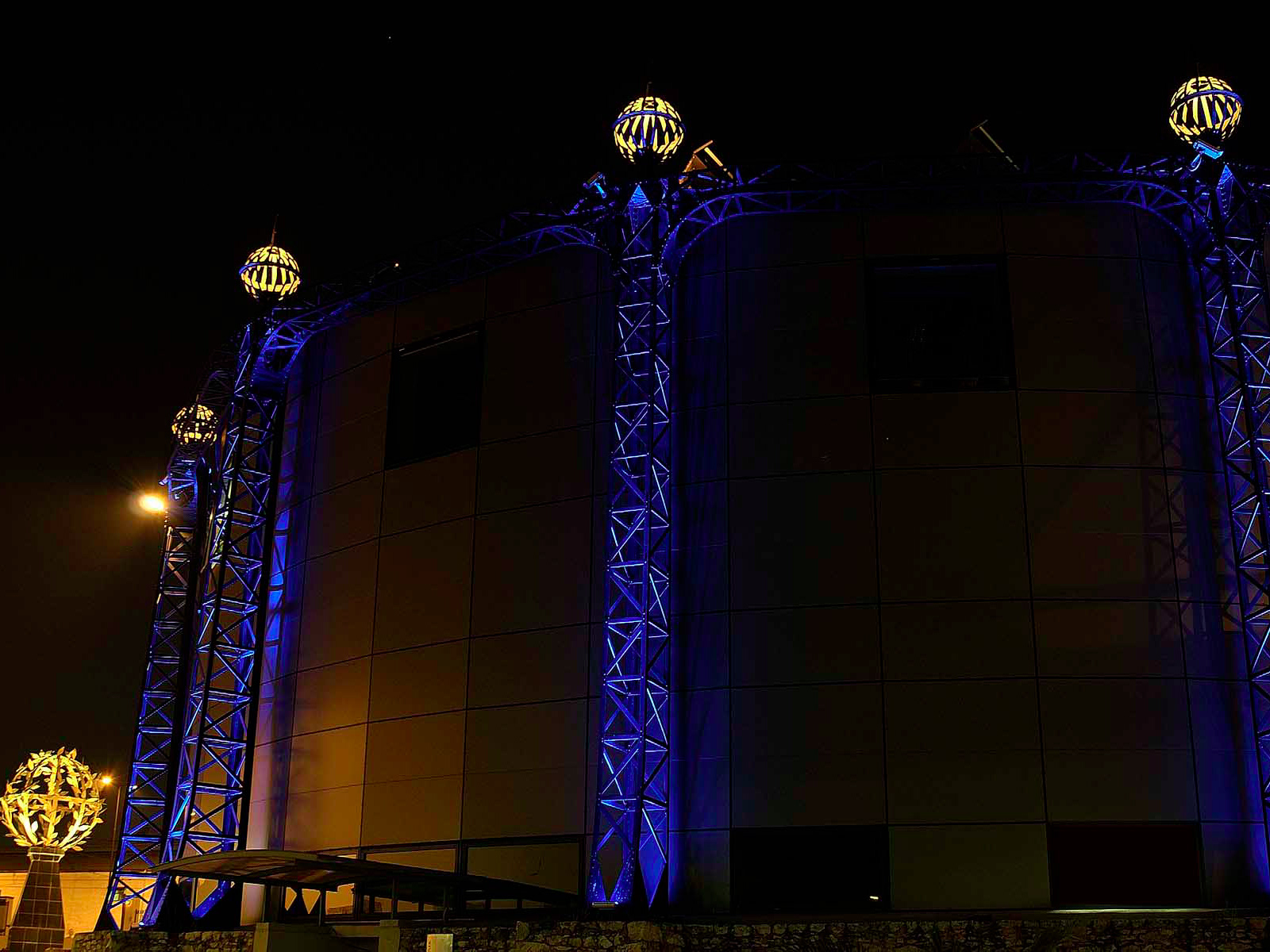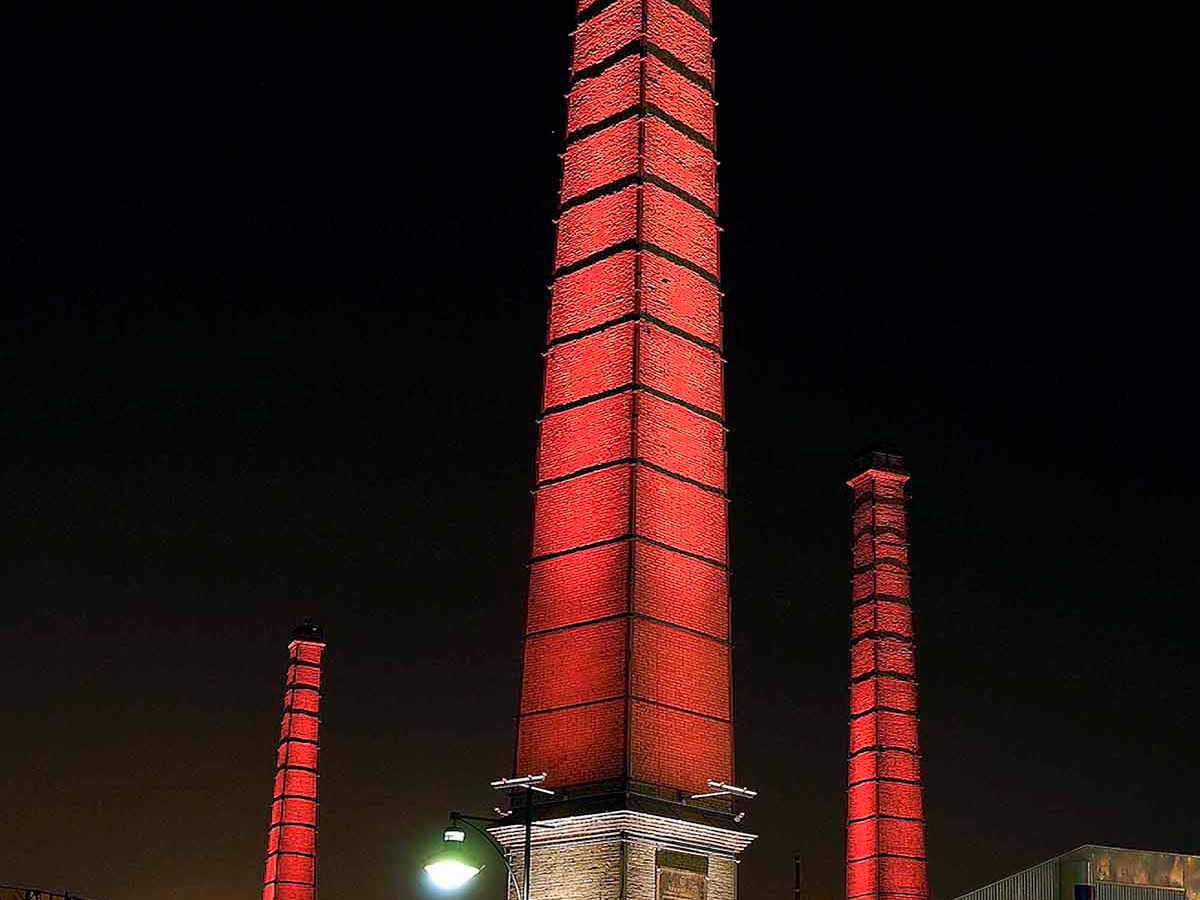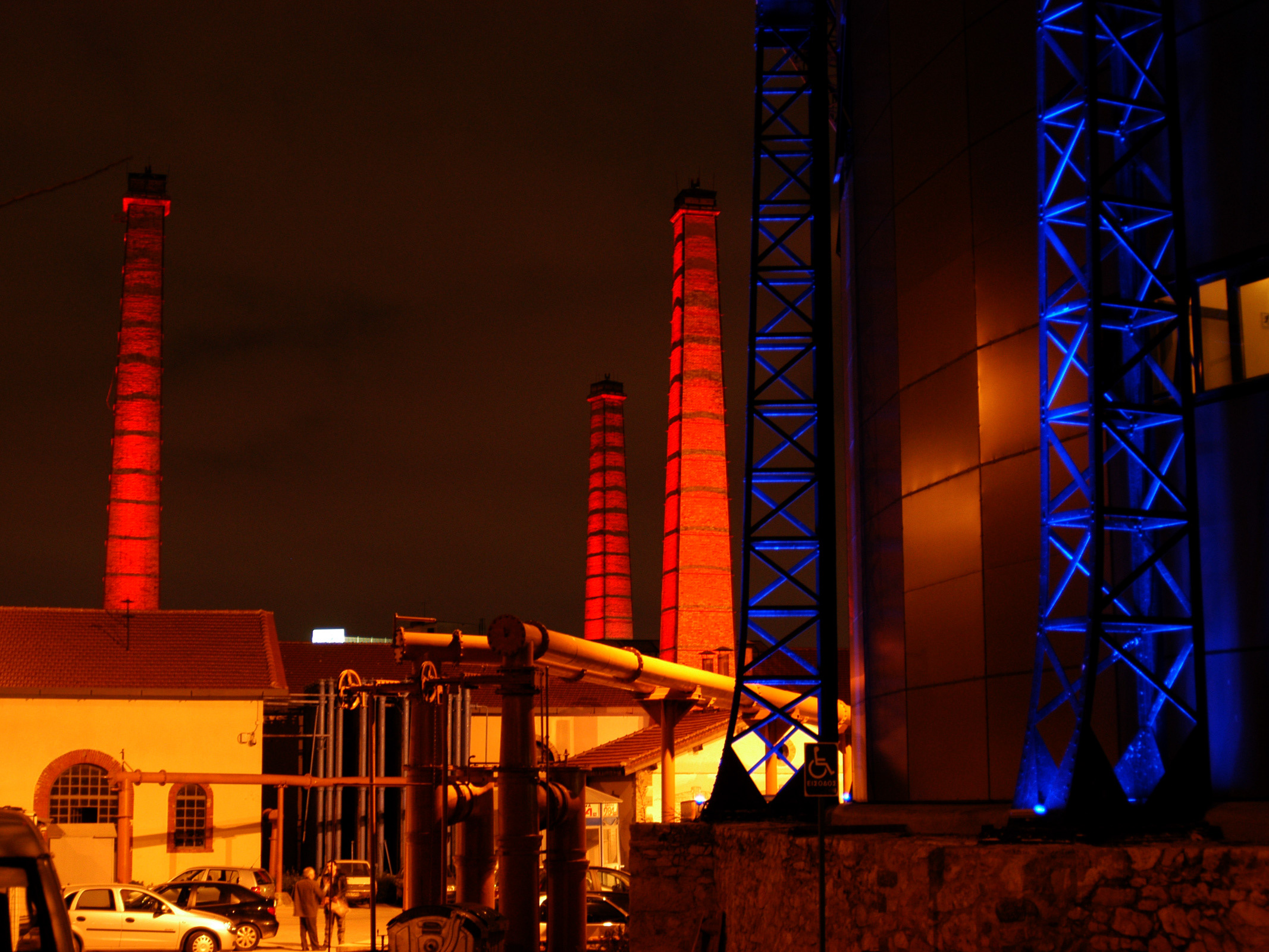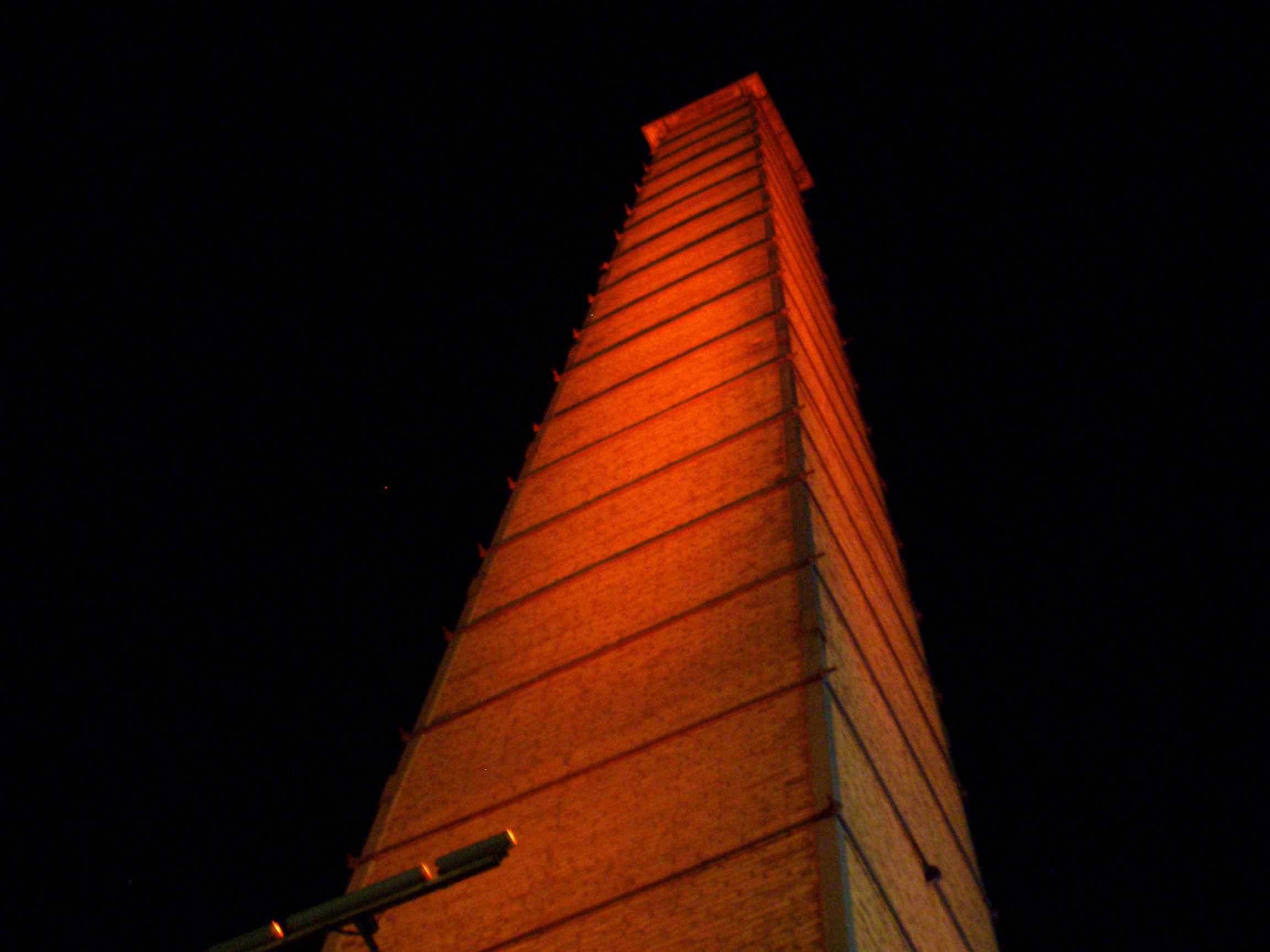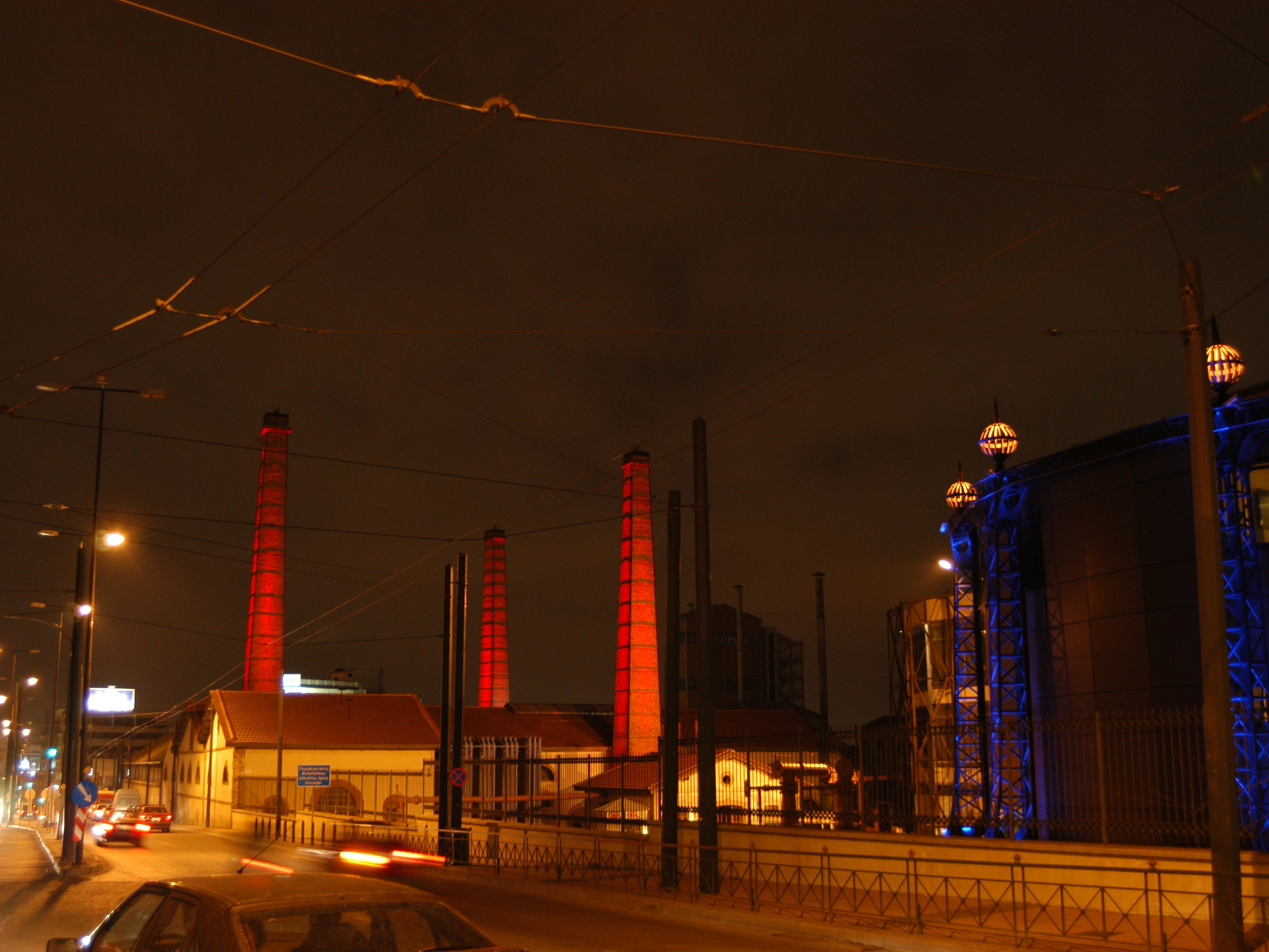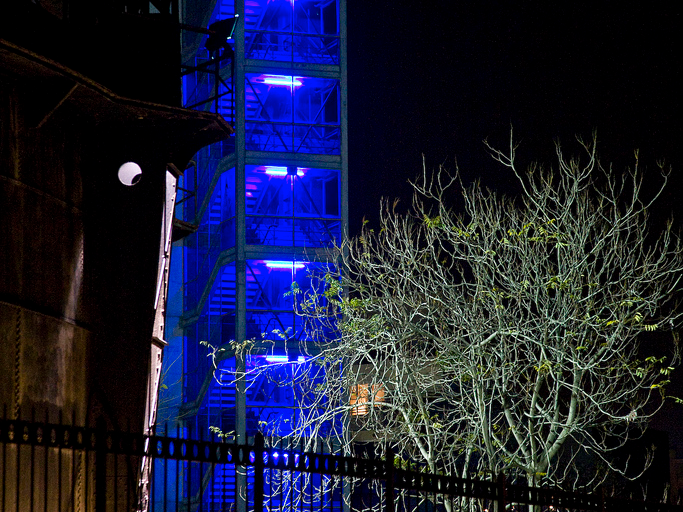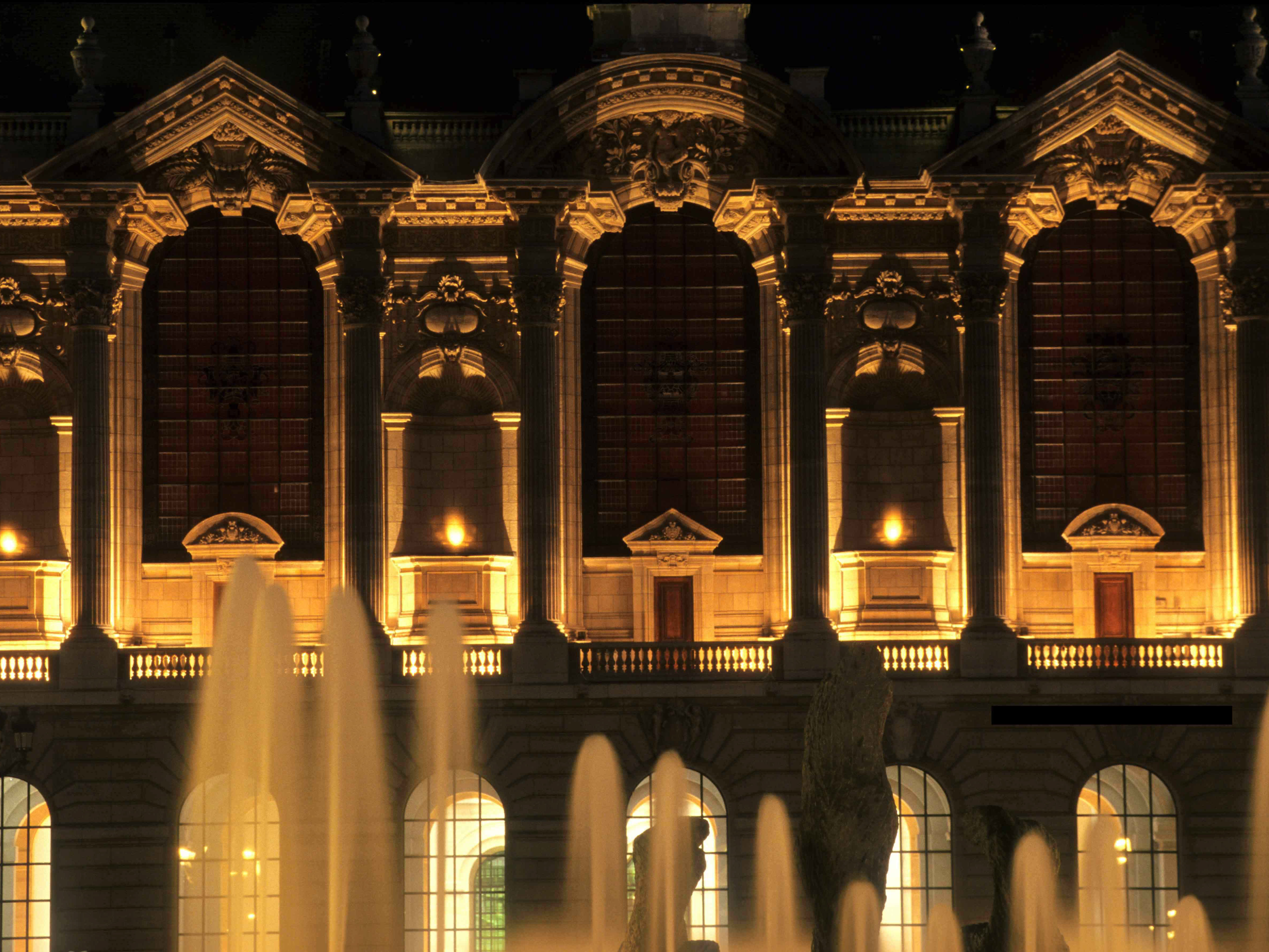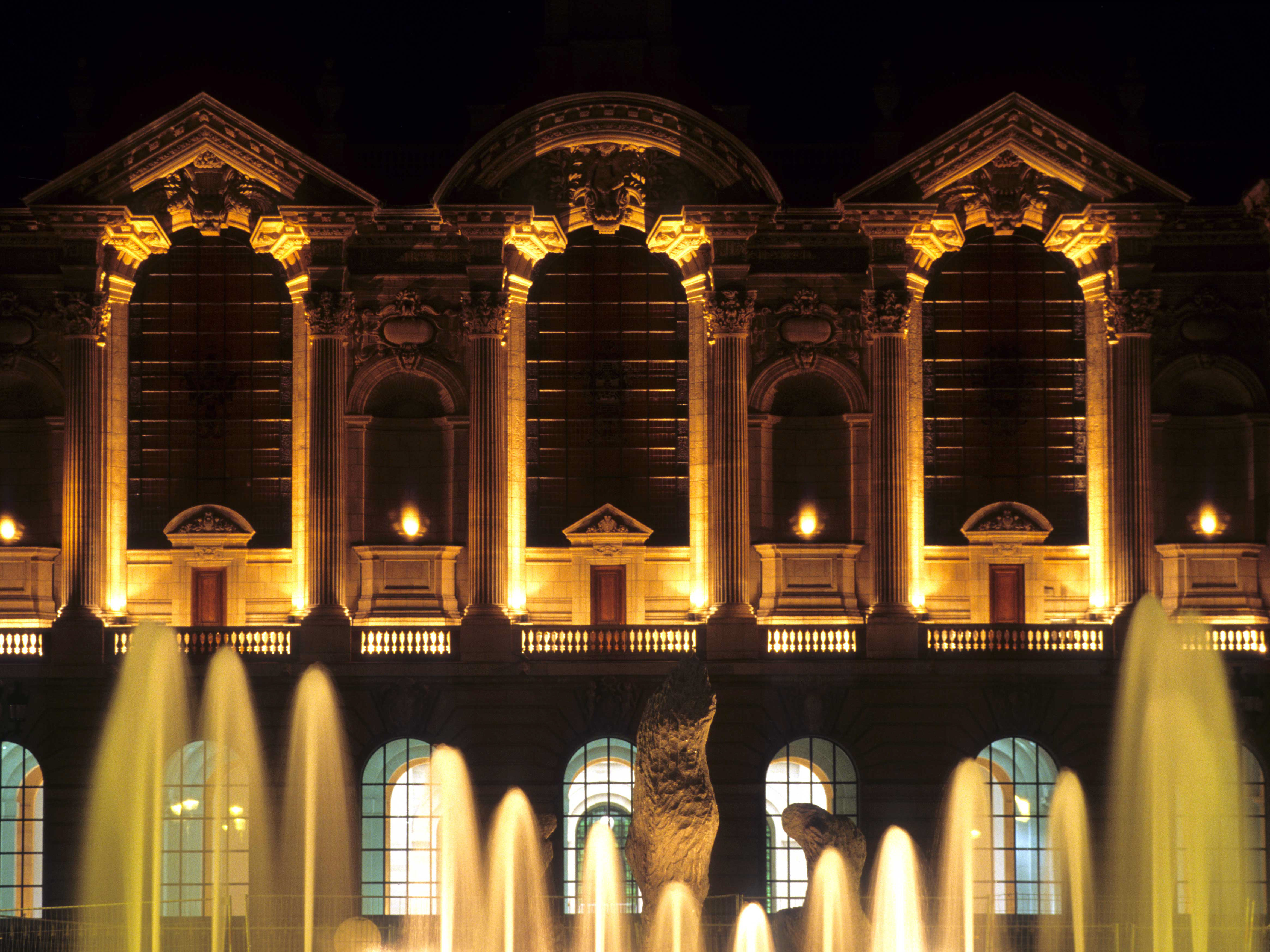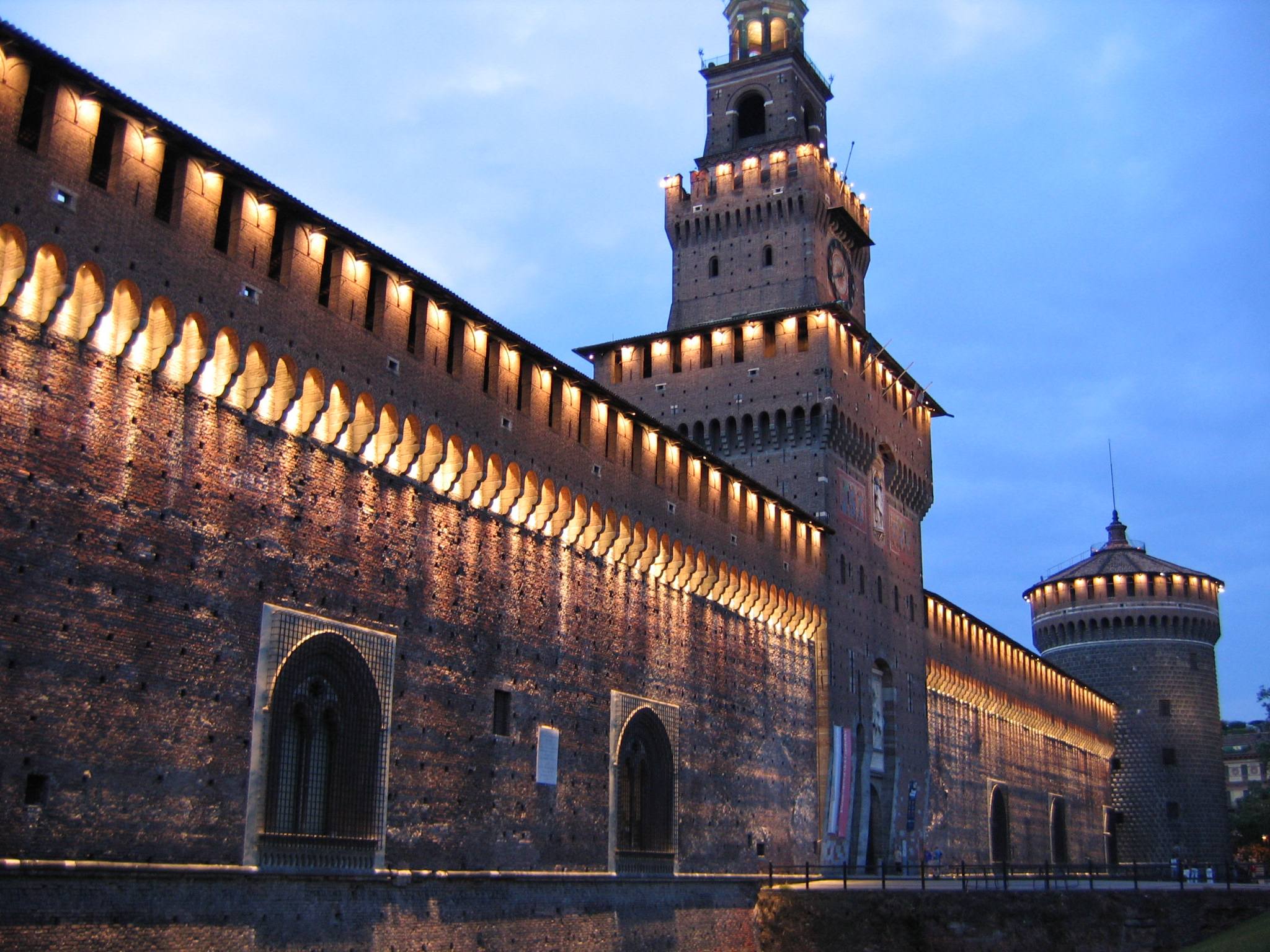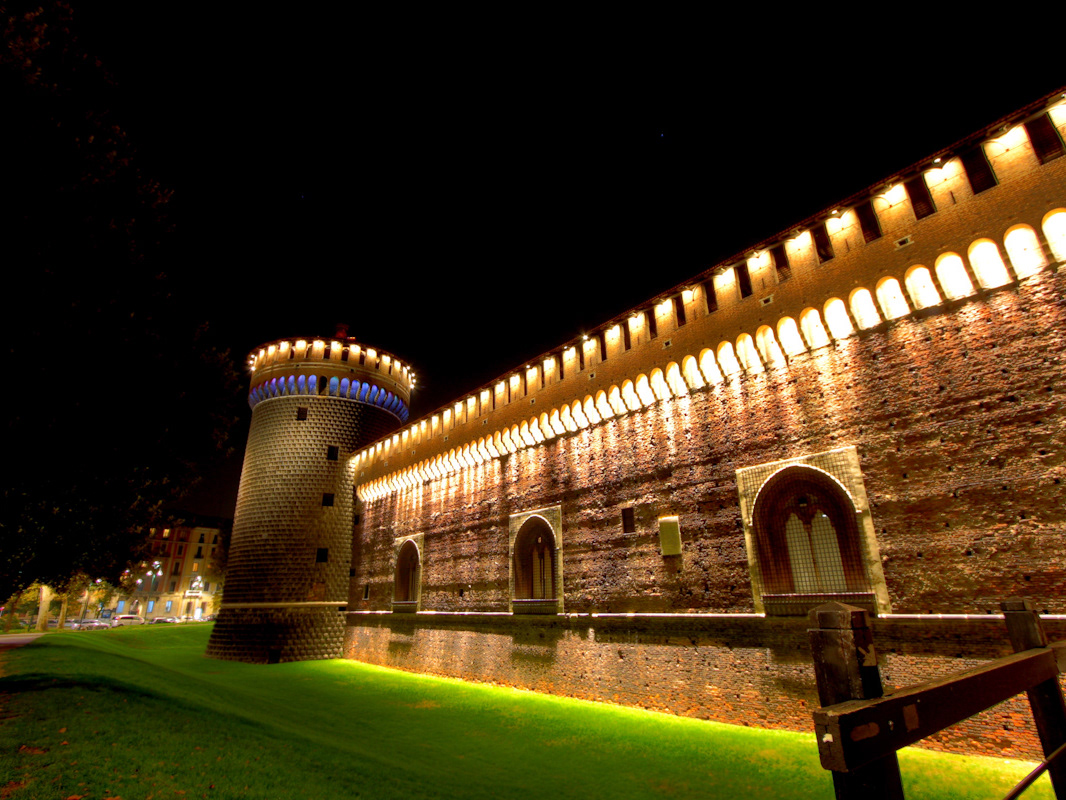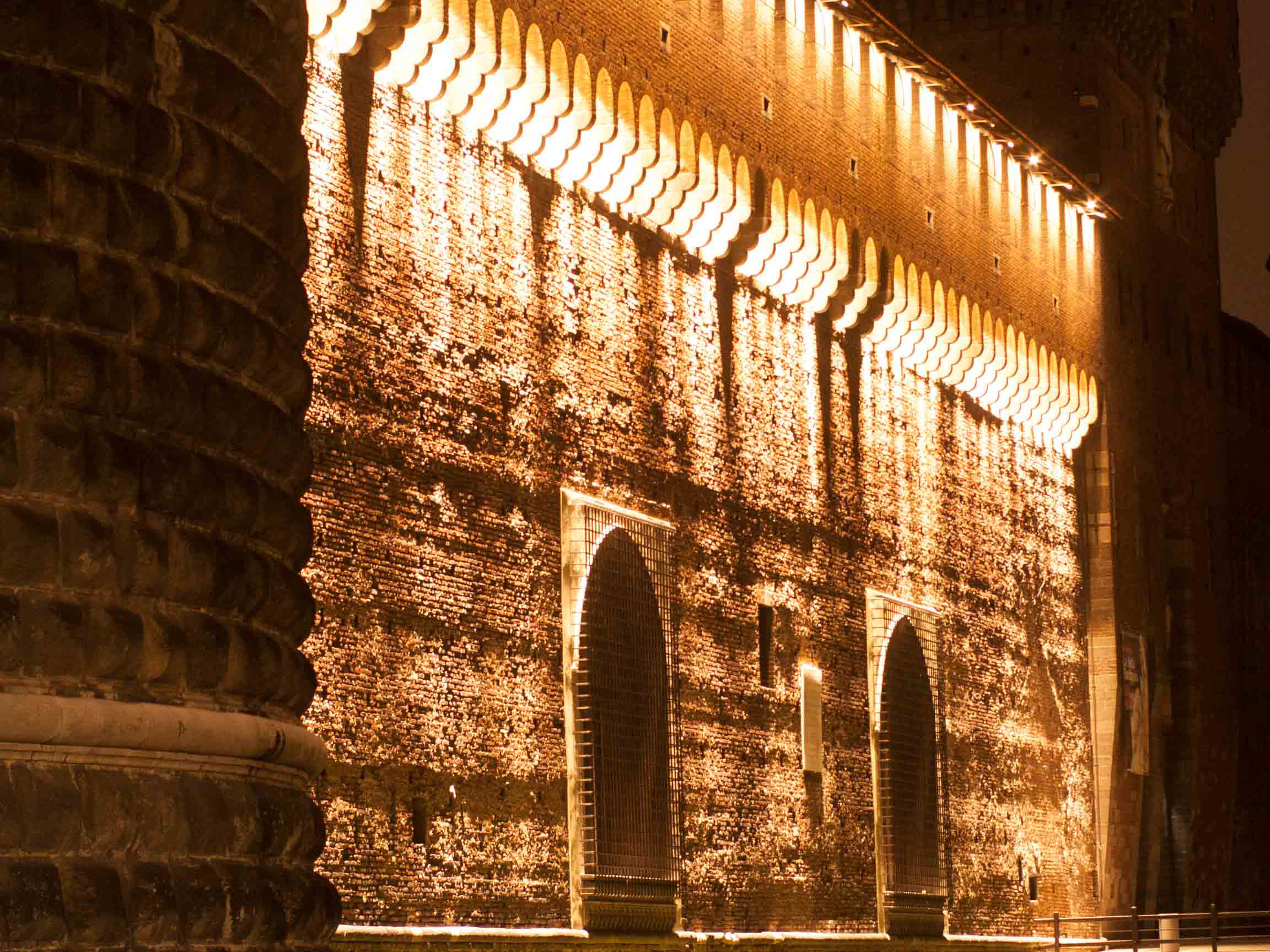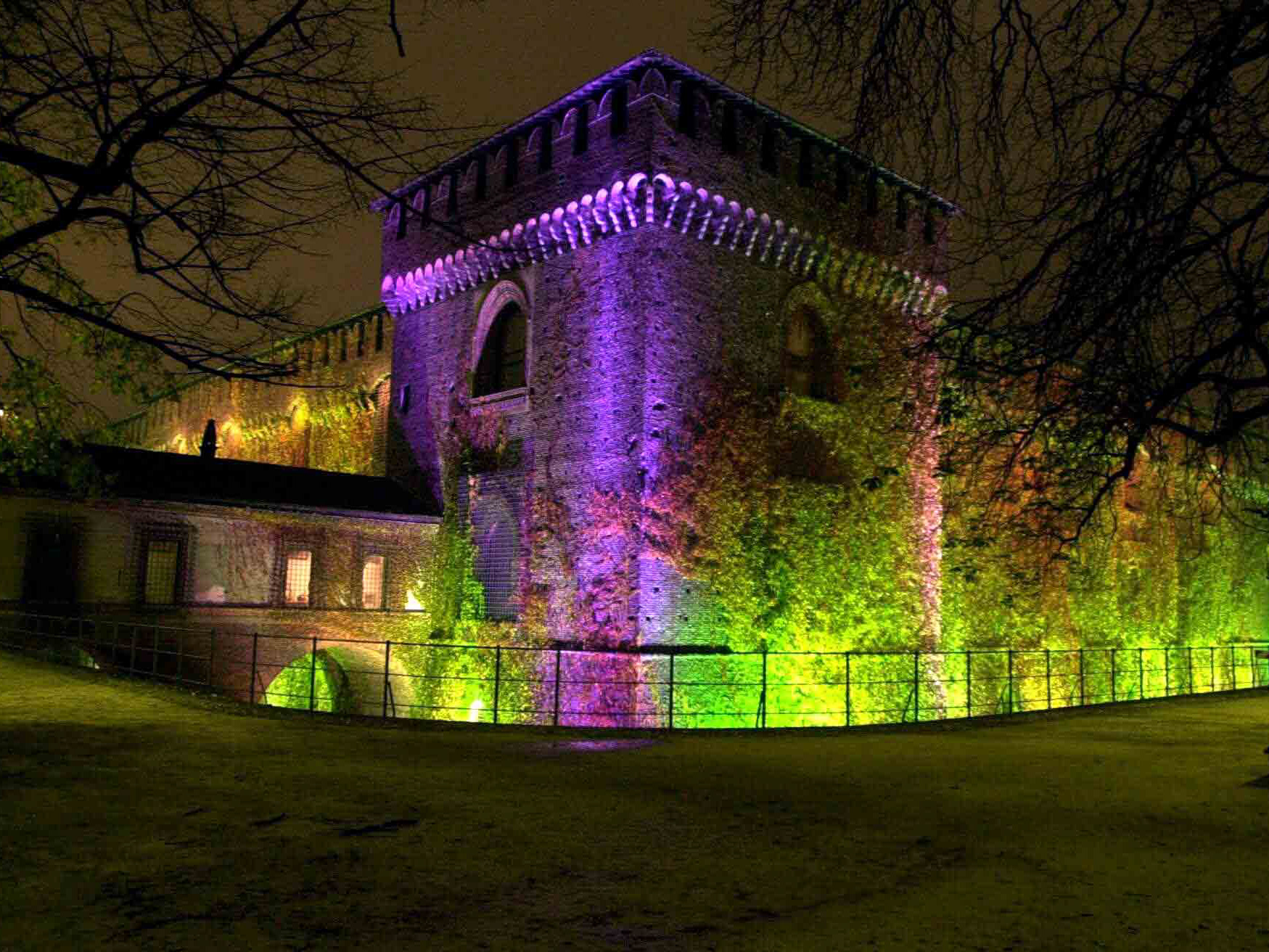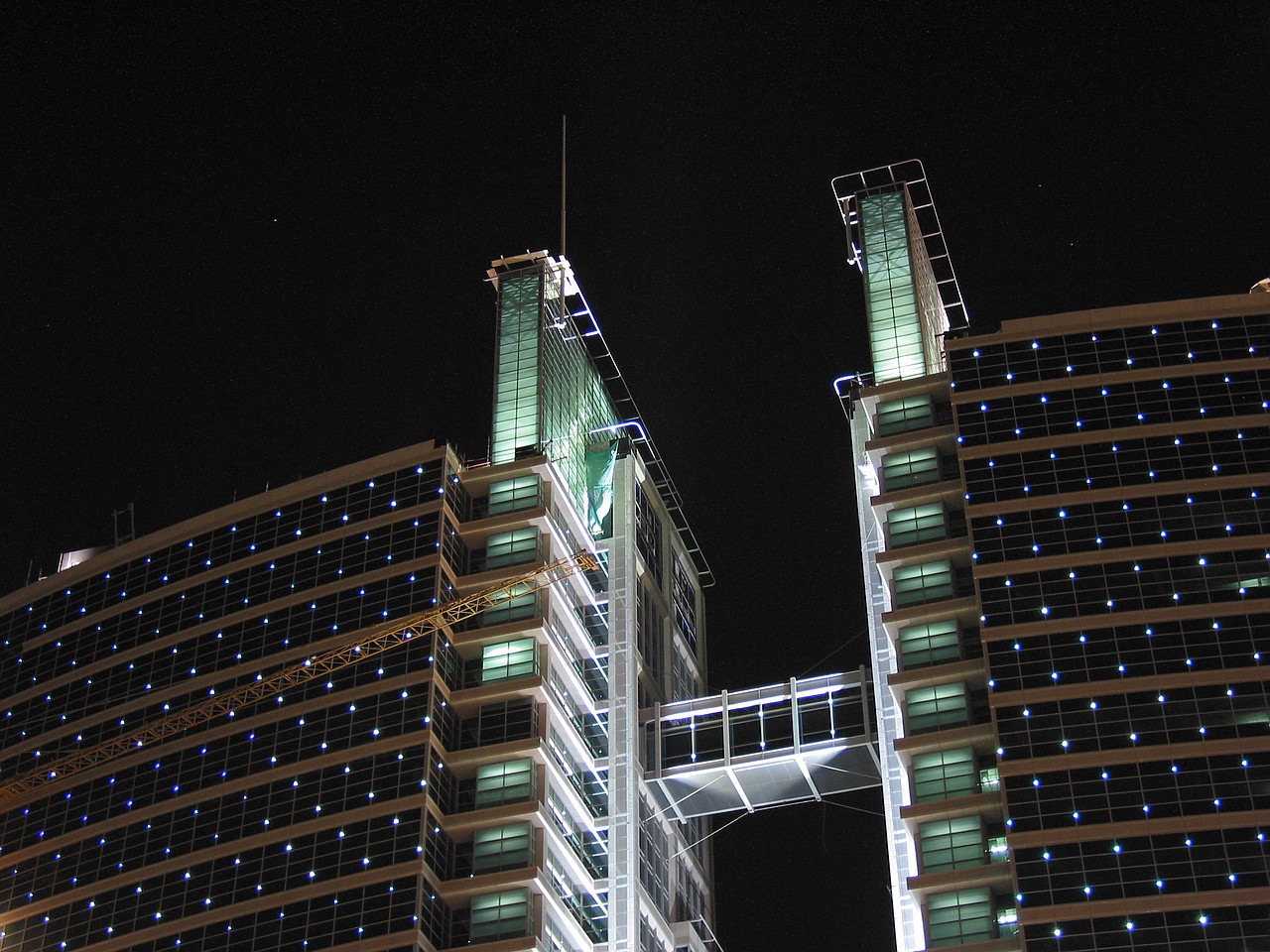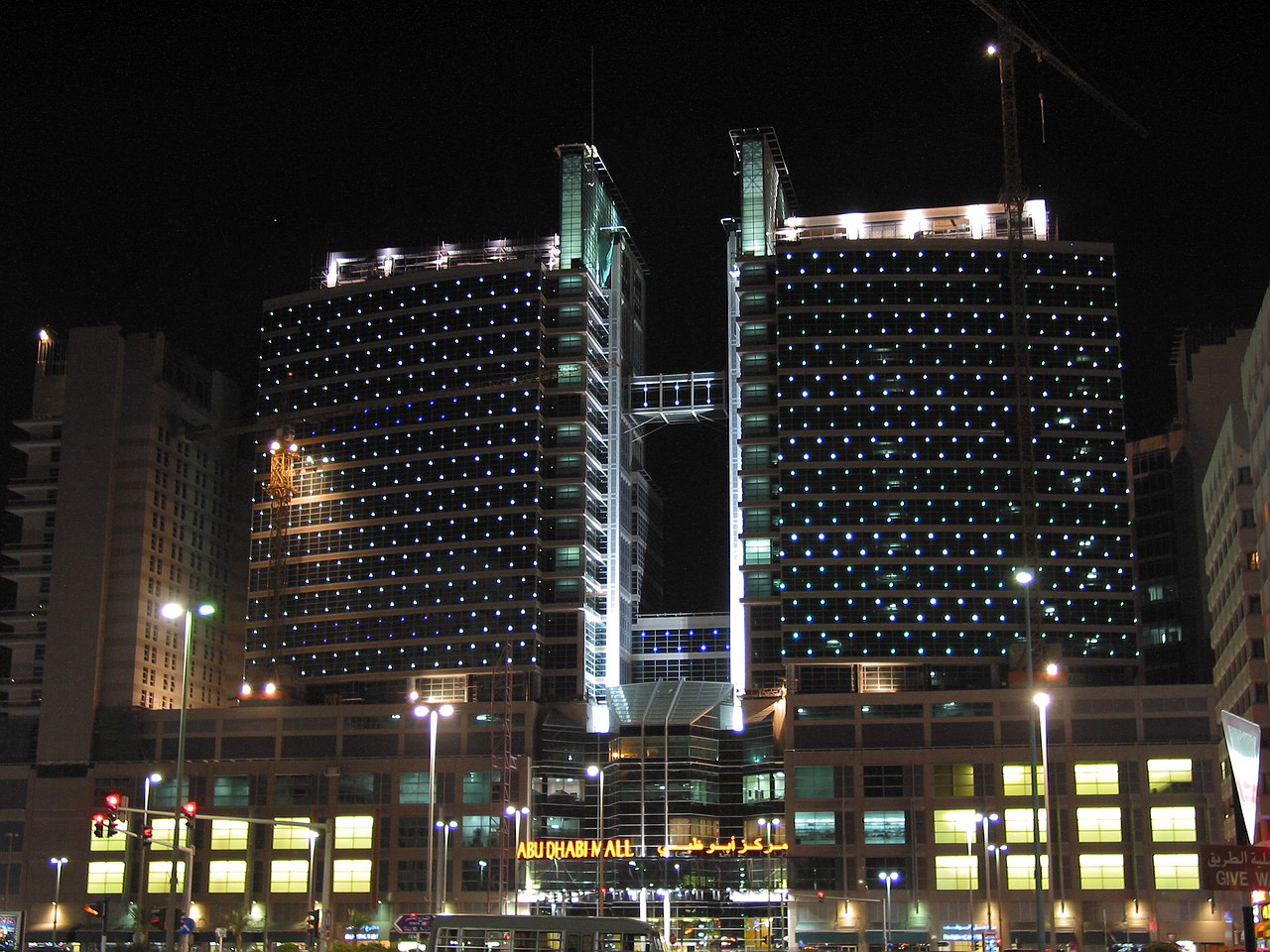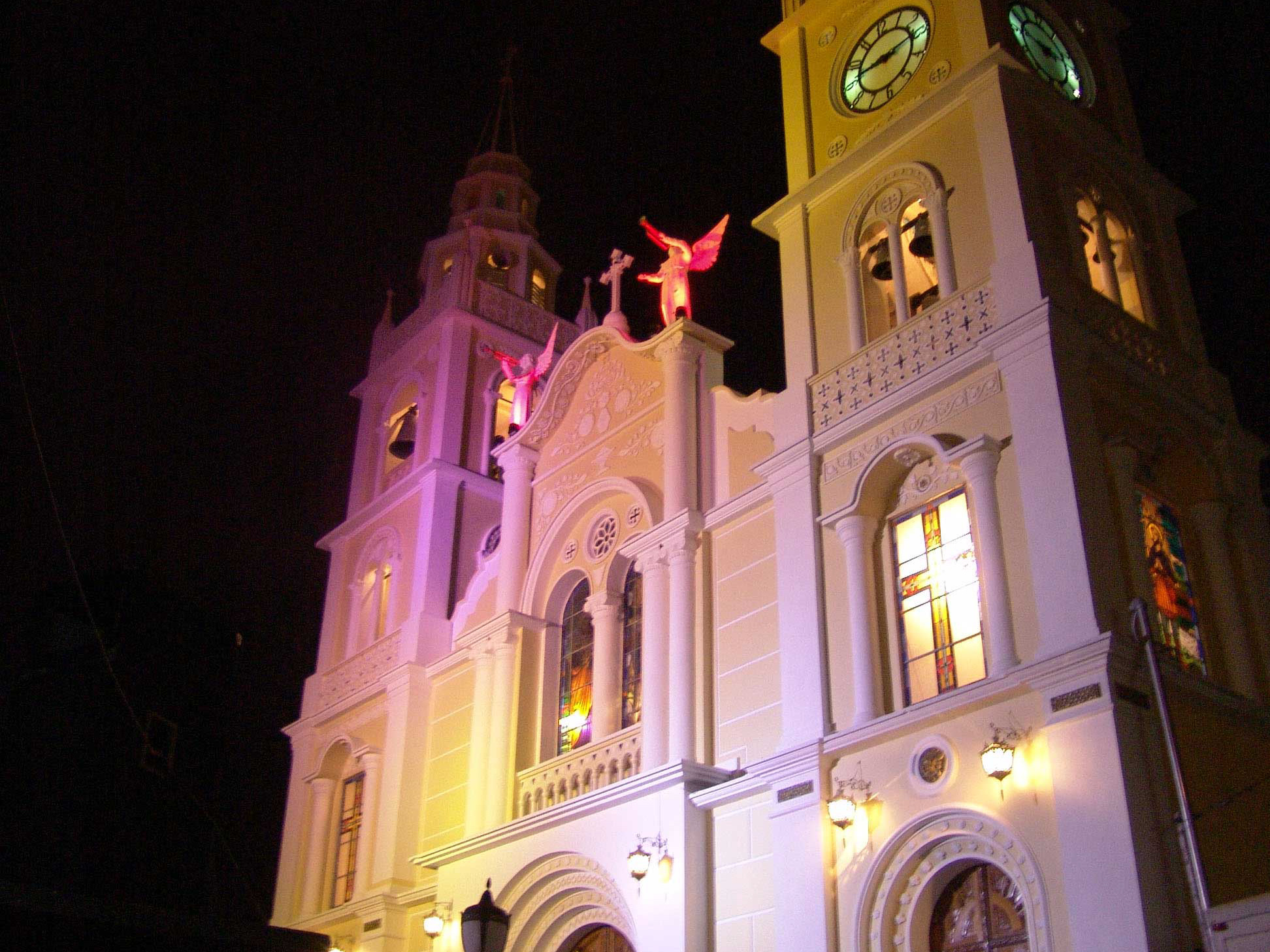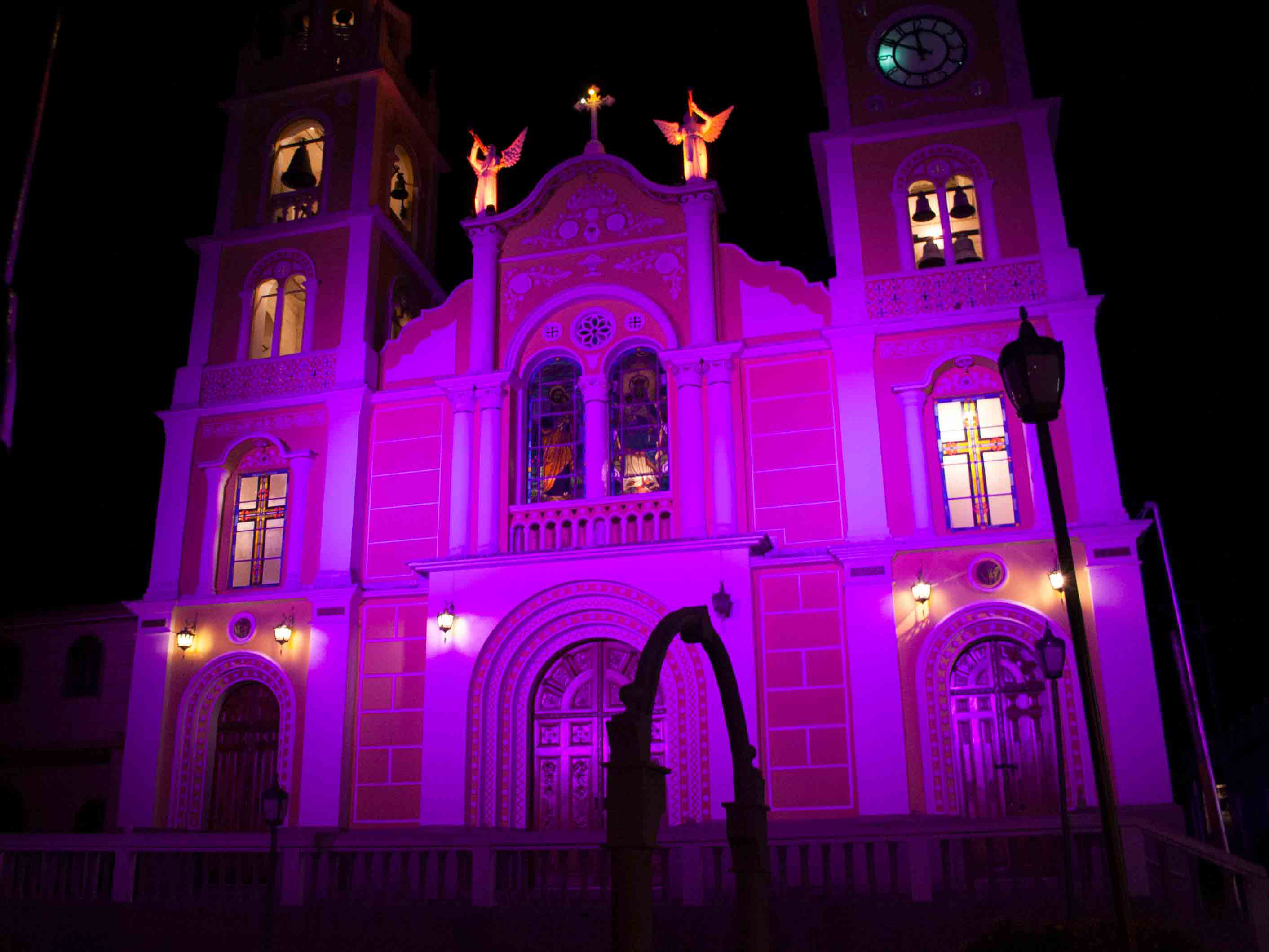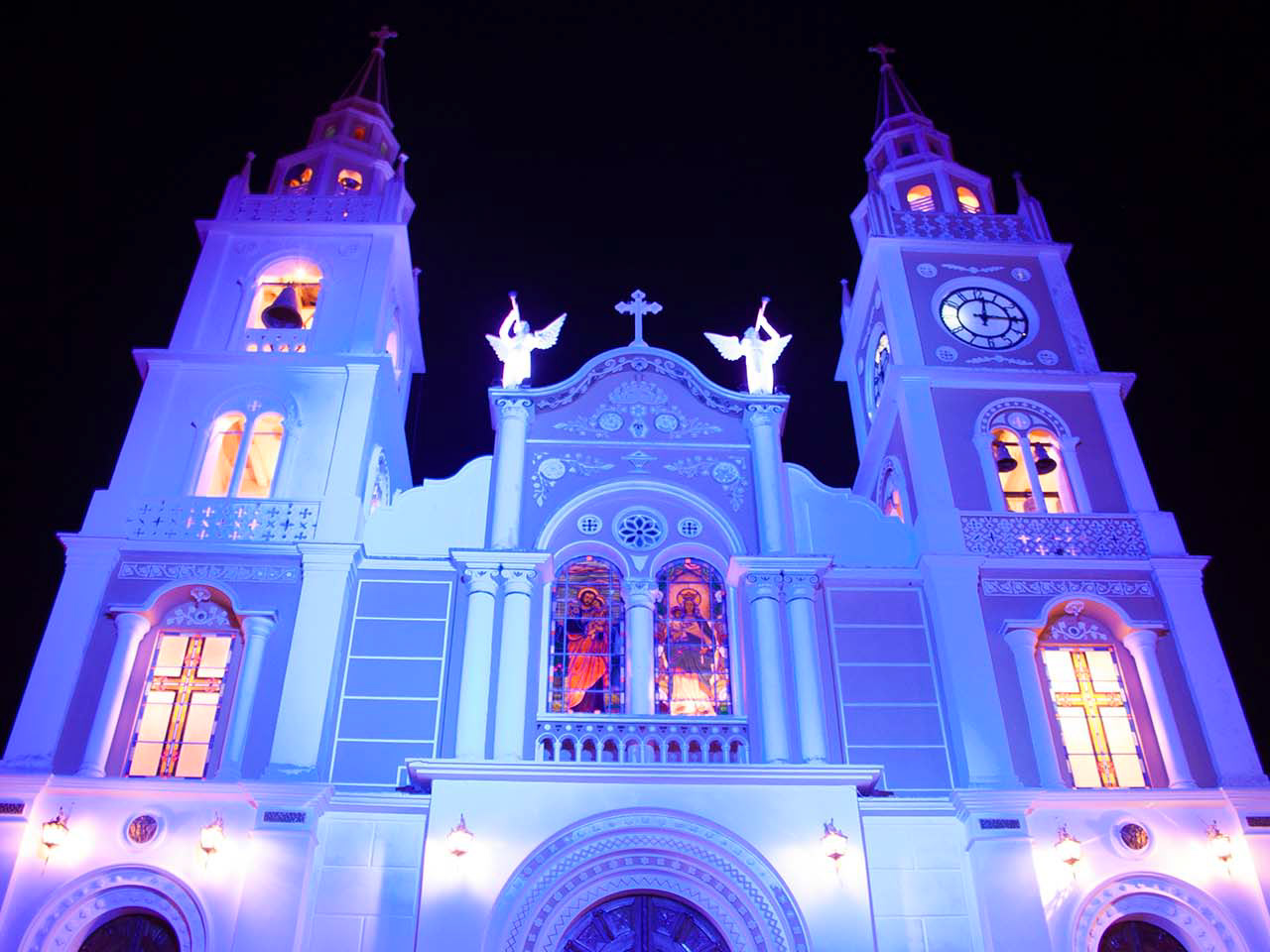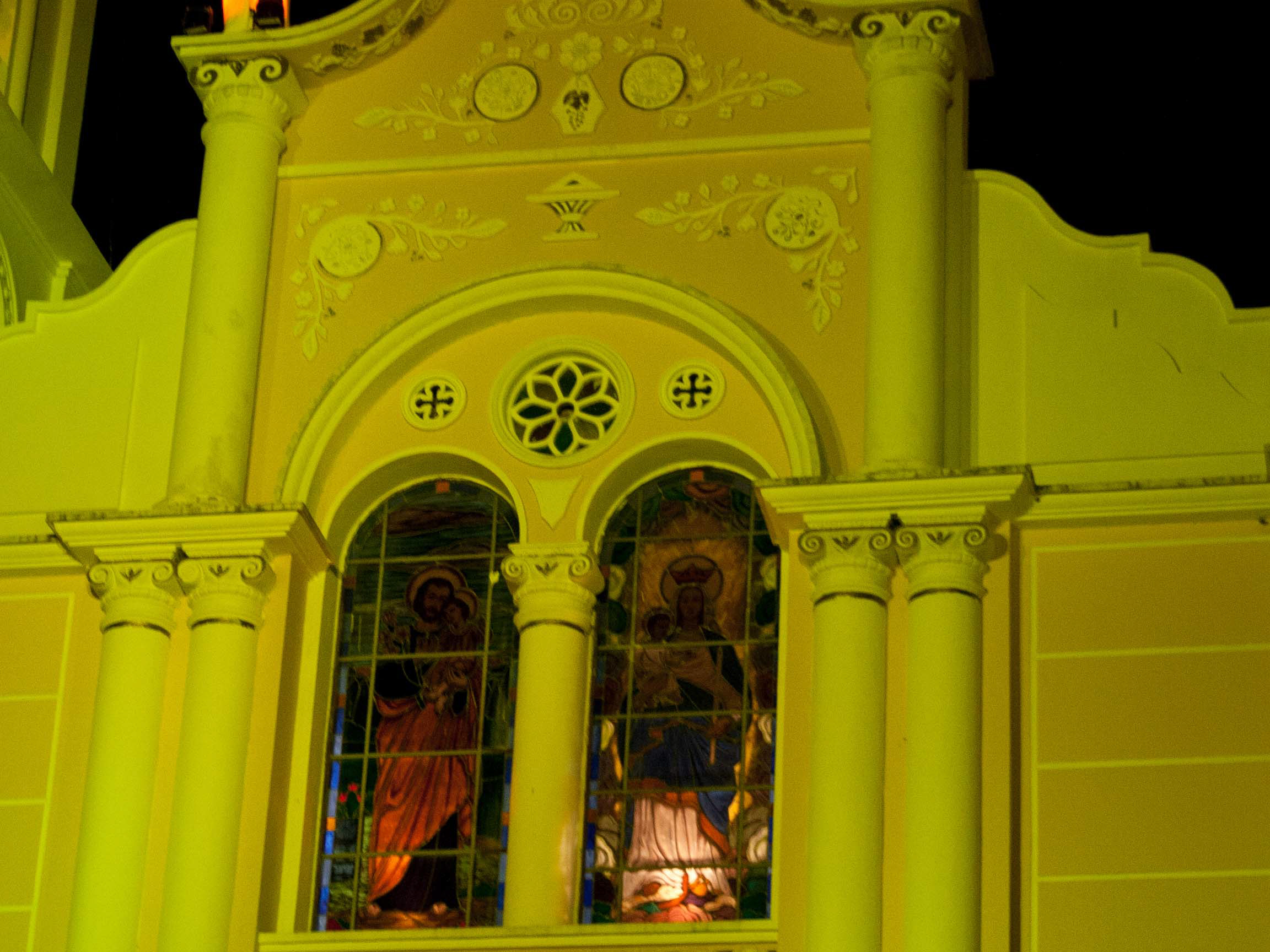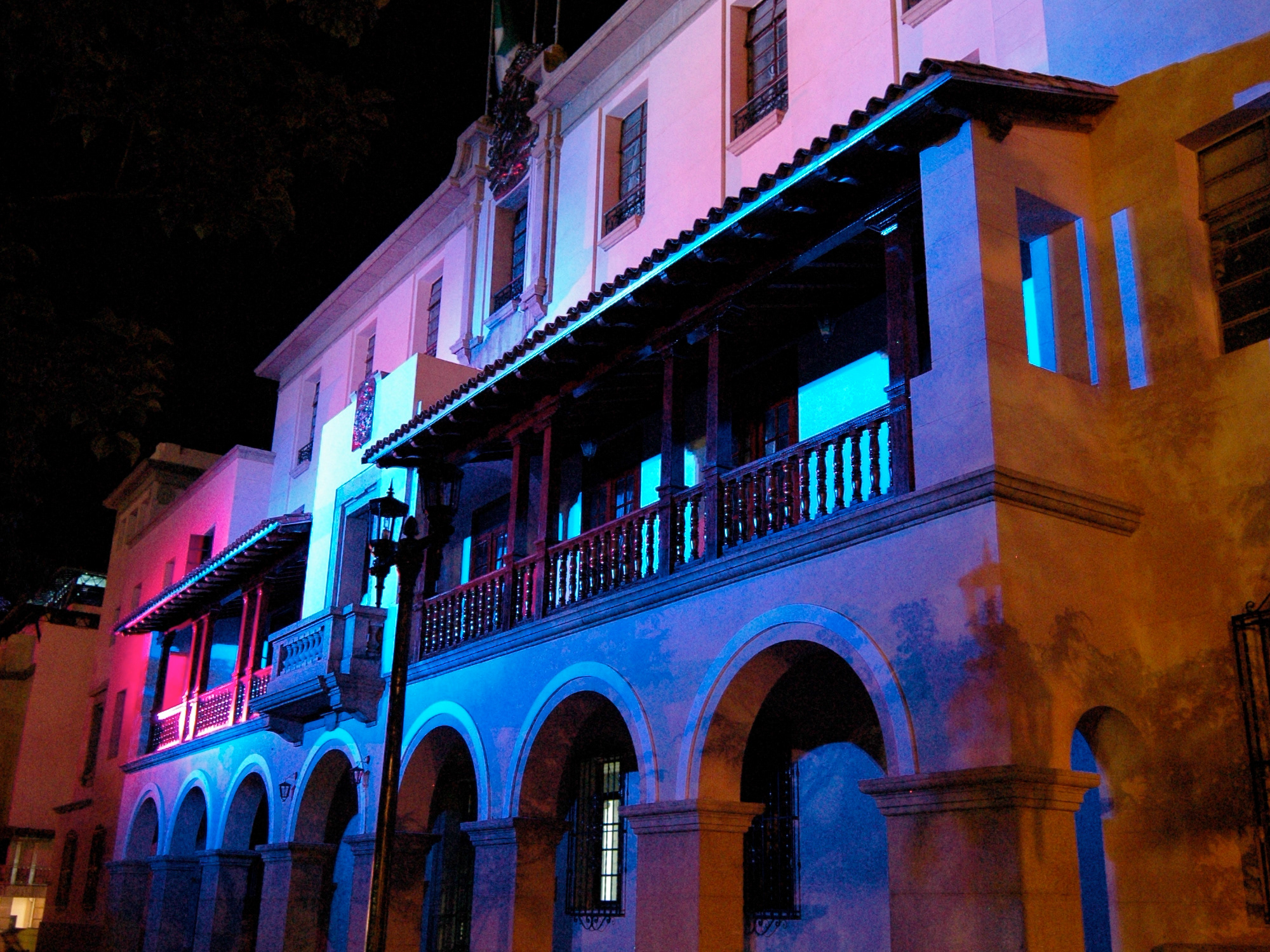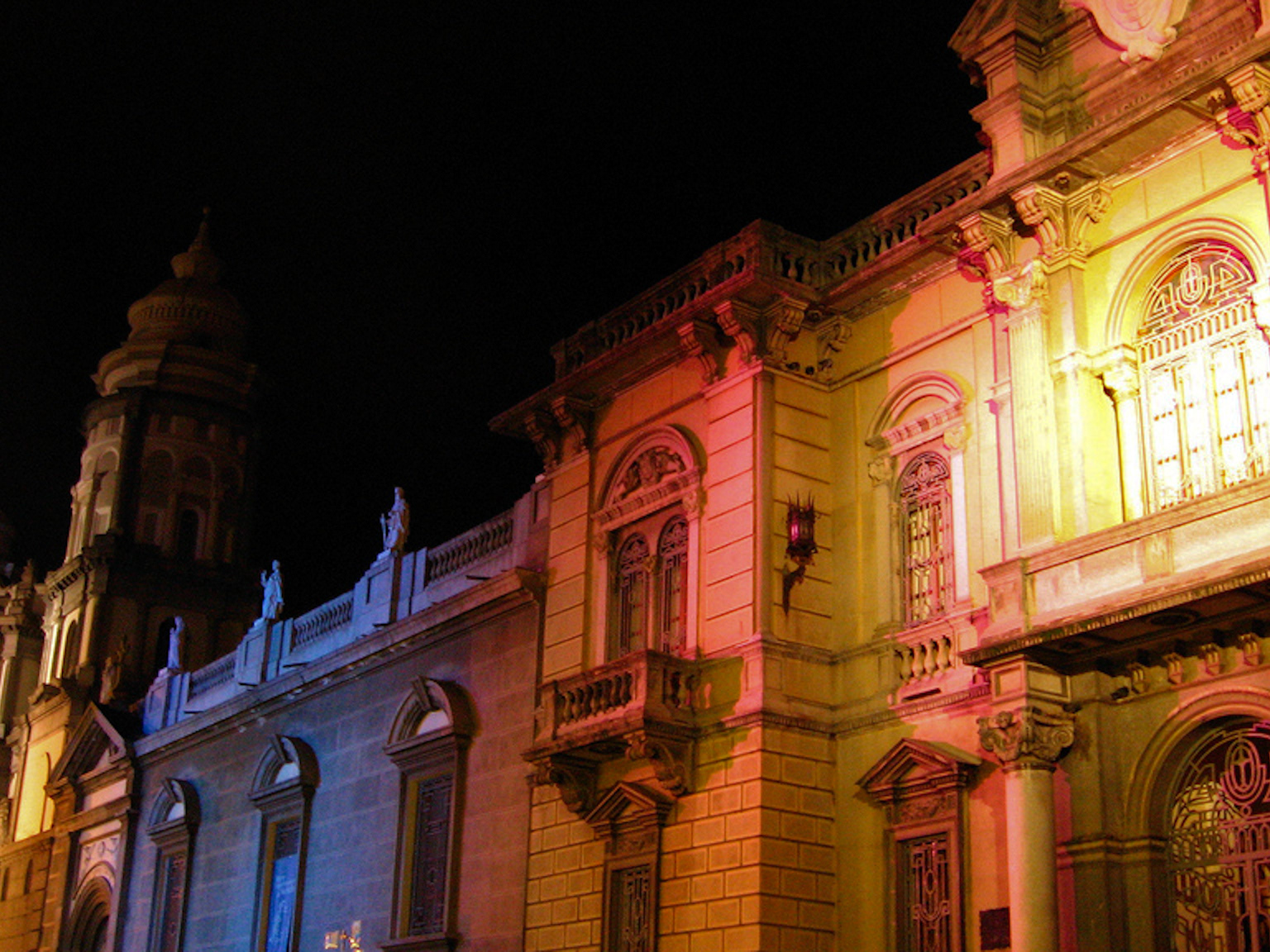
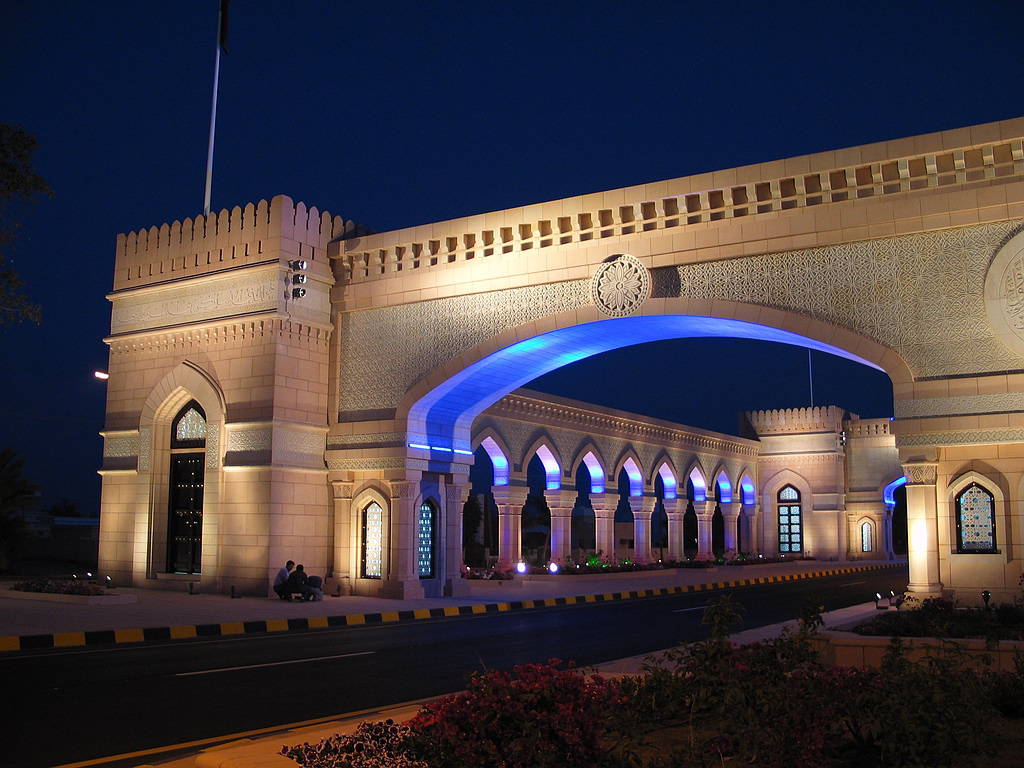
Façade Illumination: The Nocturnal Identity is the Public Statement. Illuminating a building's façade serves as a public statement visible at night. When the Mayor of Milan wondered how I chose the lighting design for the Castello Sforzesco, I asked, "What do you want this castle to represent for the city?"Illumination is not merely decorative; it reflects civic identity. For a city like Milan—founded in 590 BCE and now a global center for design and fashion—the lighting had to convey a legacy of power and prestige. Interrogating the Architecture We do not simply "light" a façade; we engage deeply with its structure, examining its architecture, history, and the society it represents. We interrogate the old to illuminate the past with a new vision. By applying Precision in Physics, we analyze material properties—how light grazes brick, penetrates glass, or reflects off steel. This technical rigor ensures that the lighting highlights the architectural hierarchy, transforming the building into a Nocturnal Landmark. Importantly, the design respects the structure: the lighting hardware remains unobtrusive and concealed. It is engineered to be powered, controlled, and maintained with precision, ensuring that the architecture is never distorted but instead revealed—turning the image into an emblem. The Urban Narrative This approach serves as a means of communication, harnessing the "emotional function" of light to connect the building with a civic purpose. This goal is achieved through two distinct lenses: The Poetic Approach: We give the building a distinct nocturnal personality, redefining the city's image by elevating the structure to landmark status. Legibility & Security: We ensure the façade provides visual orientation, creating a focal point that fosters a sense of security in the surrounding environment.