
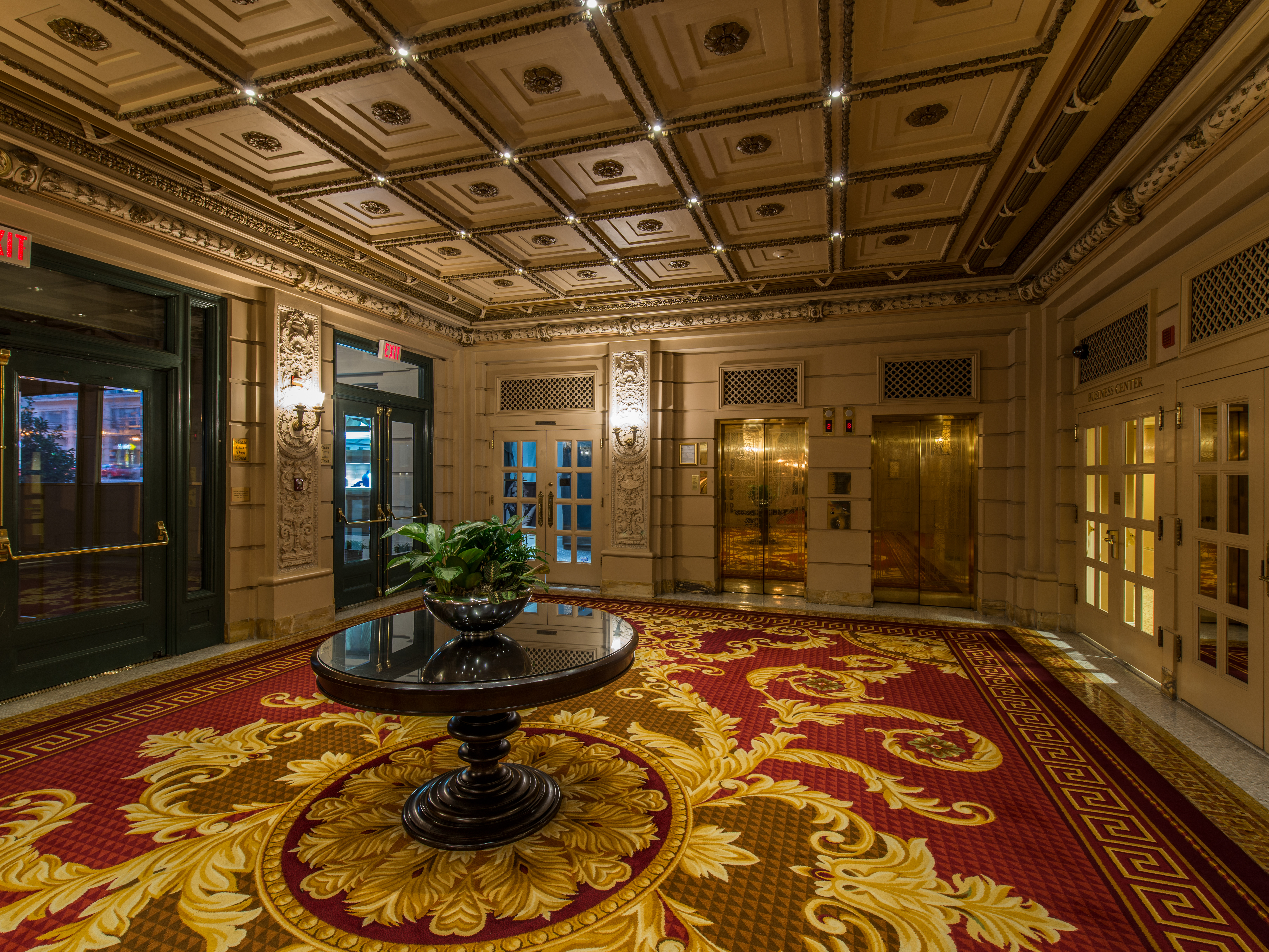
WILLARD HOTEL F STREET LOBBY: retrofitting
2017
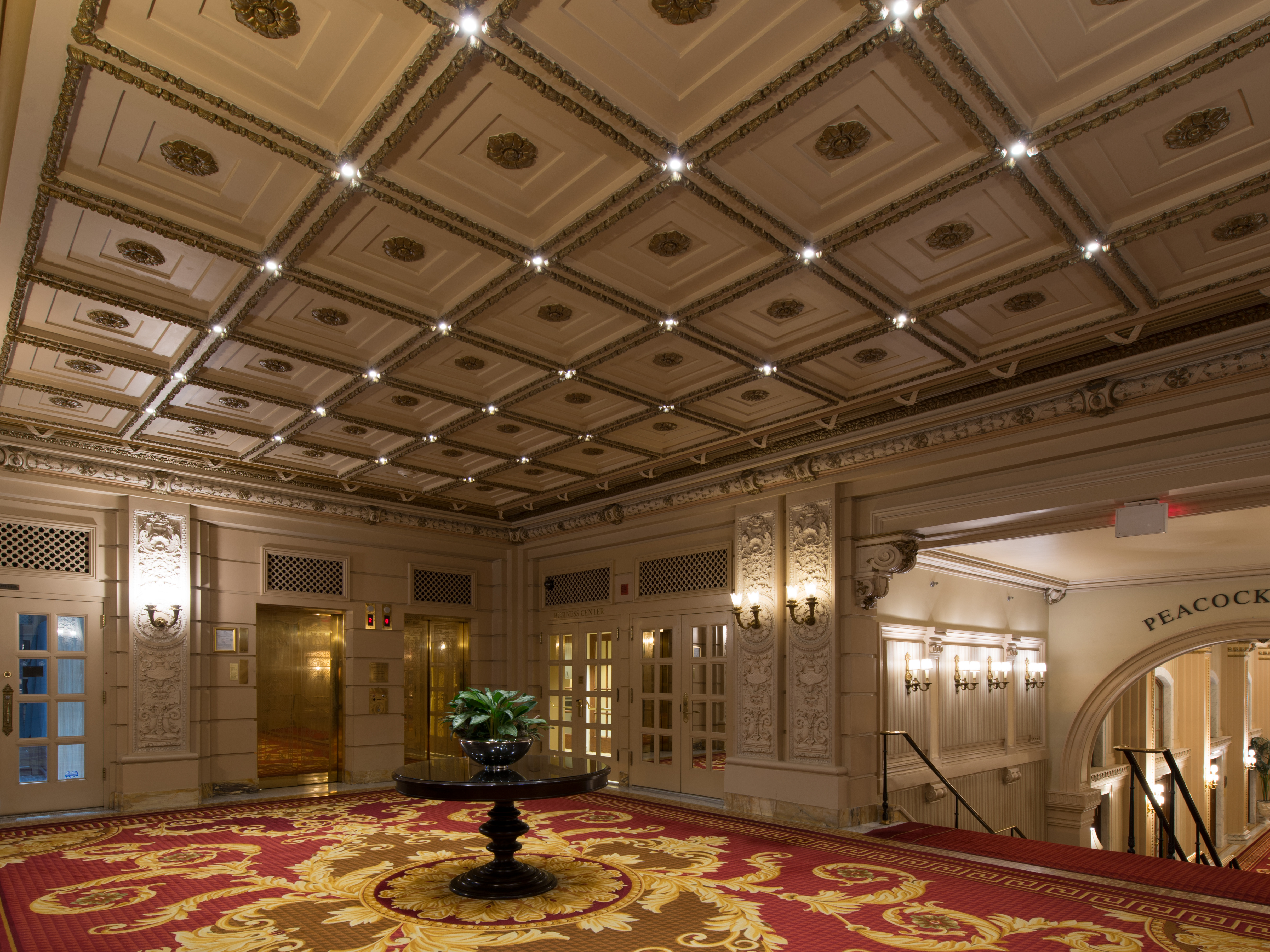
WILLARD HOTEL: F street lobby
2017
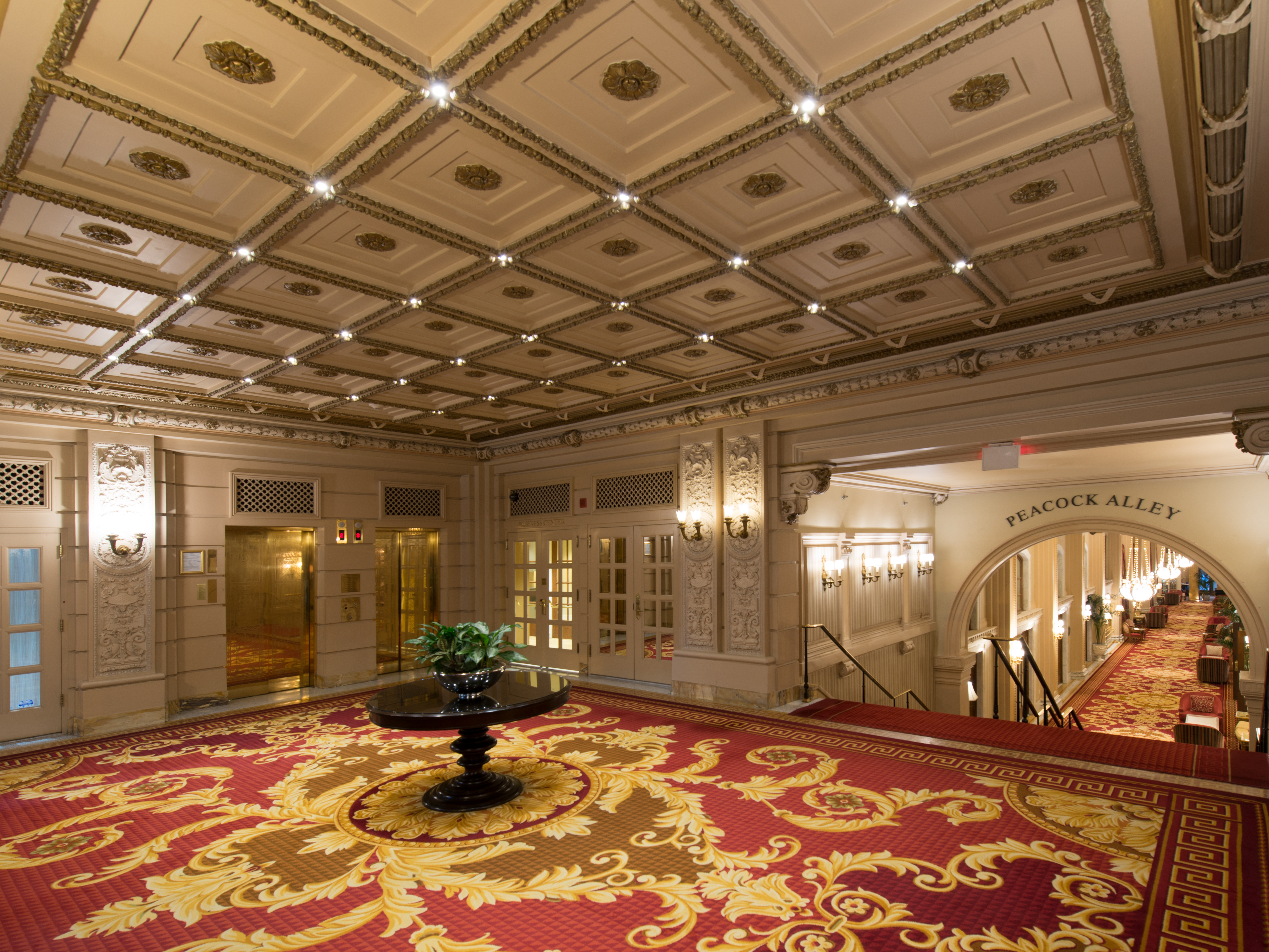
WILLARD HOTEL: Peacock Alley
2017
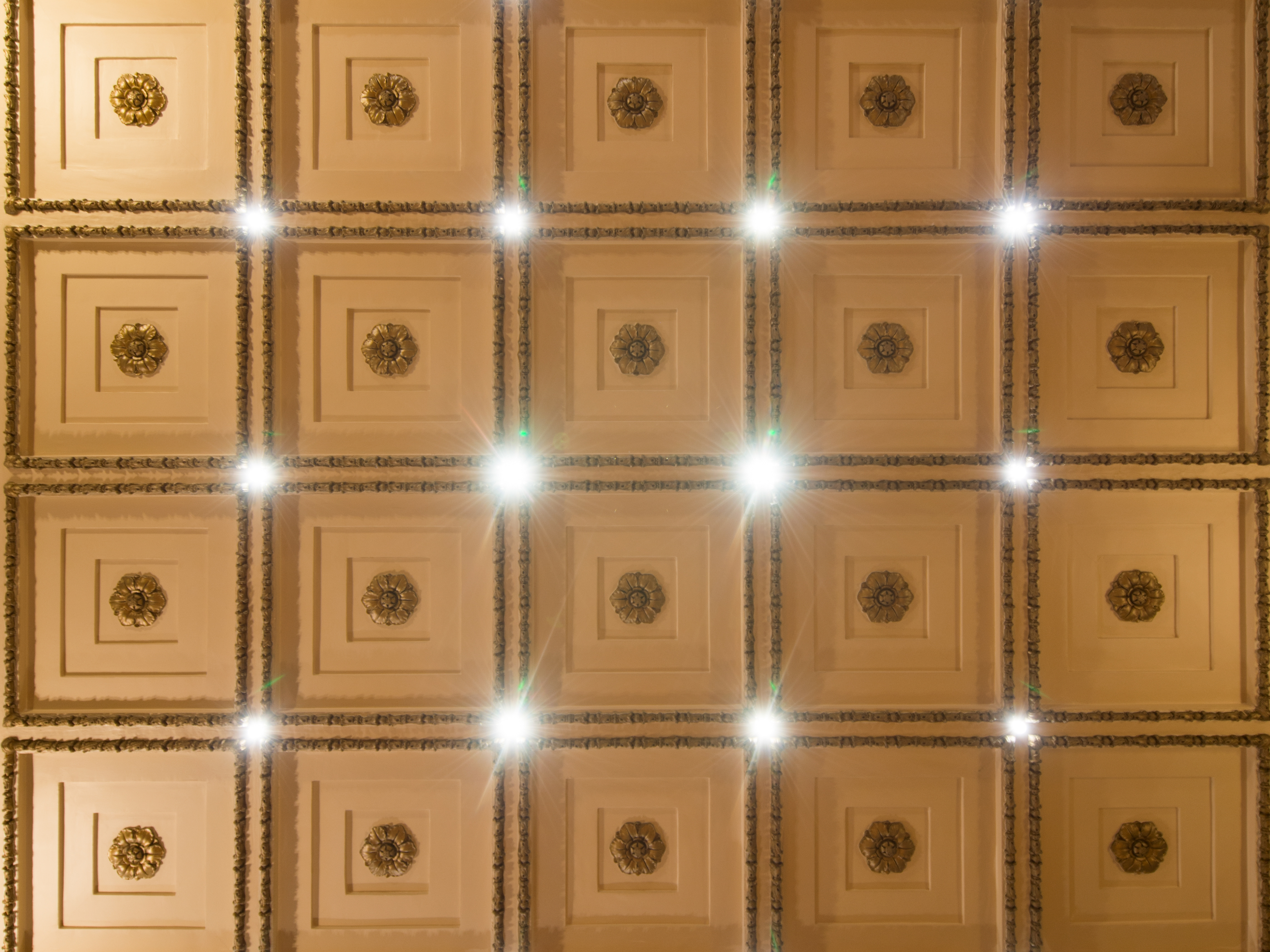
WILLARD HOTEL F STREET LOBBY: ceiling
2017
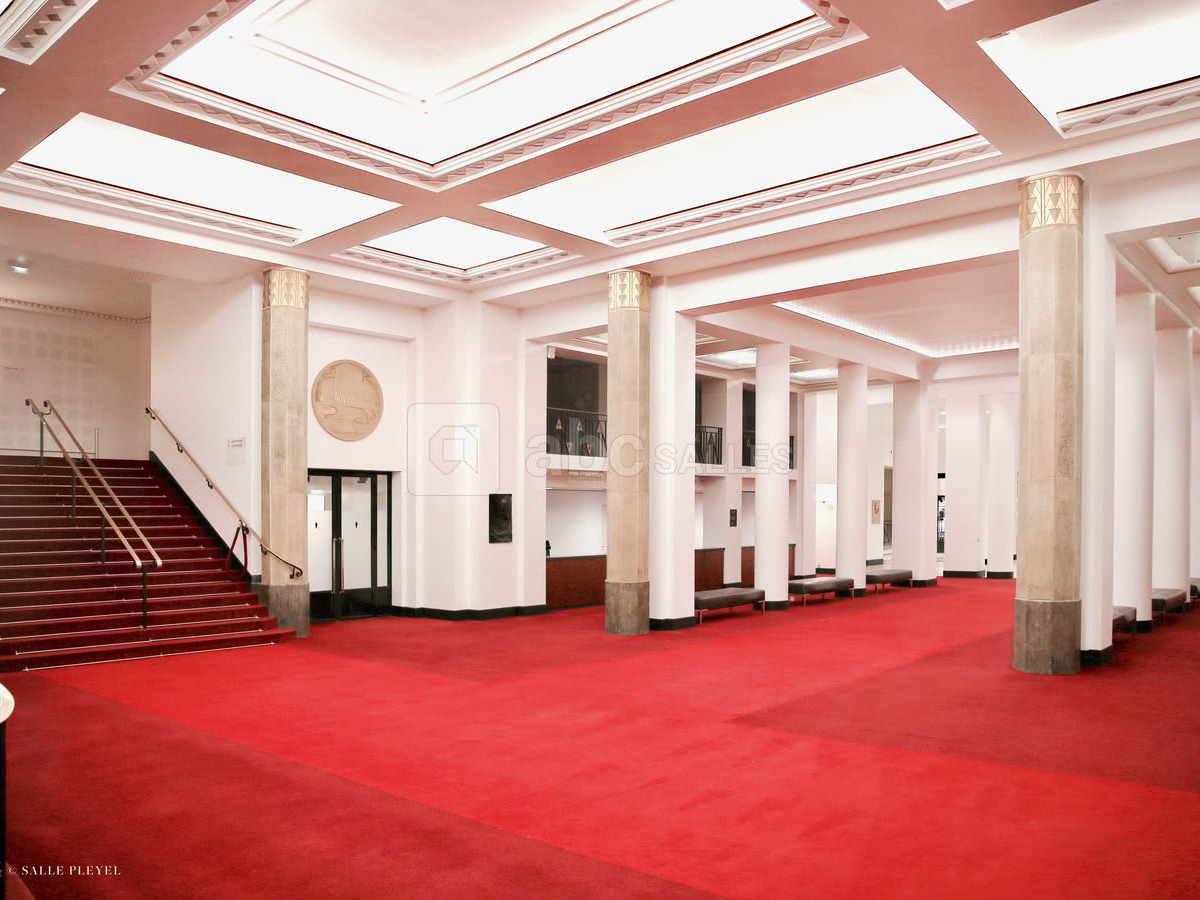
SALLE PLEYEL: Coves
1997
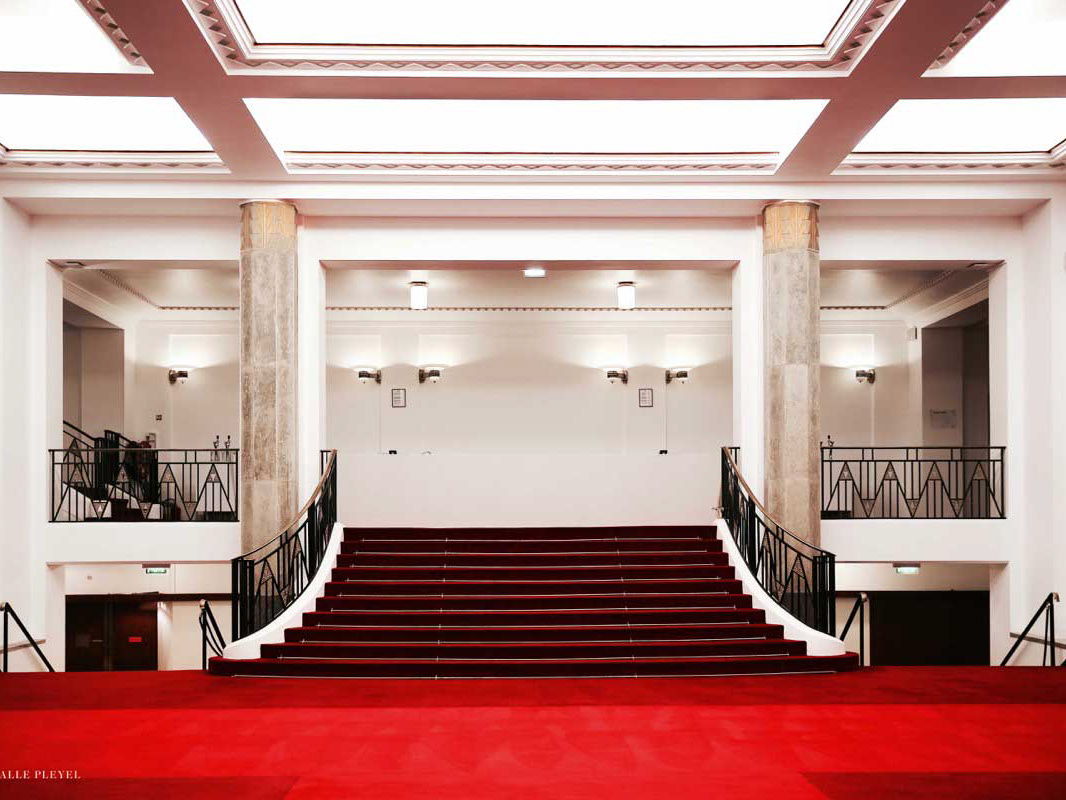
SALLE PLEYEL: entrance to the concert hall
1997
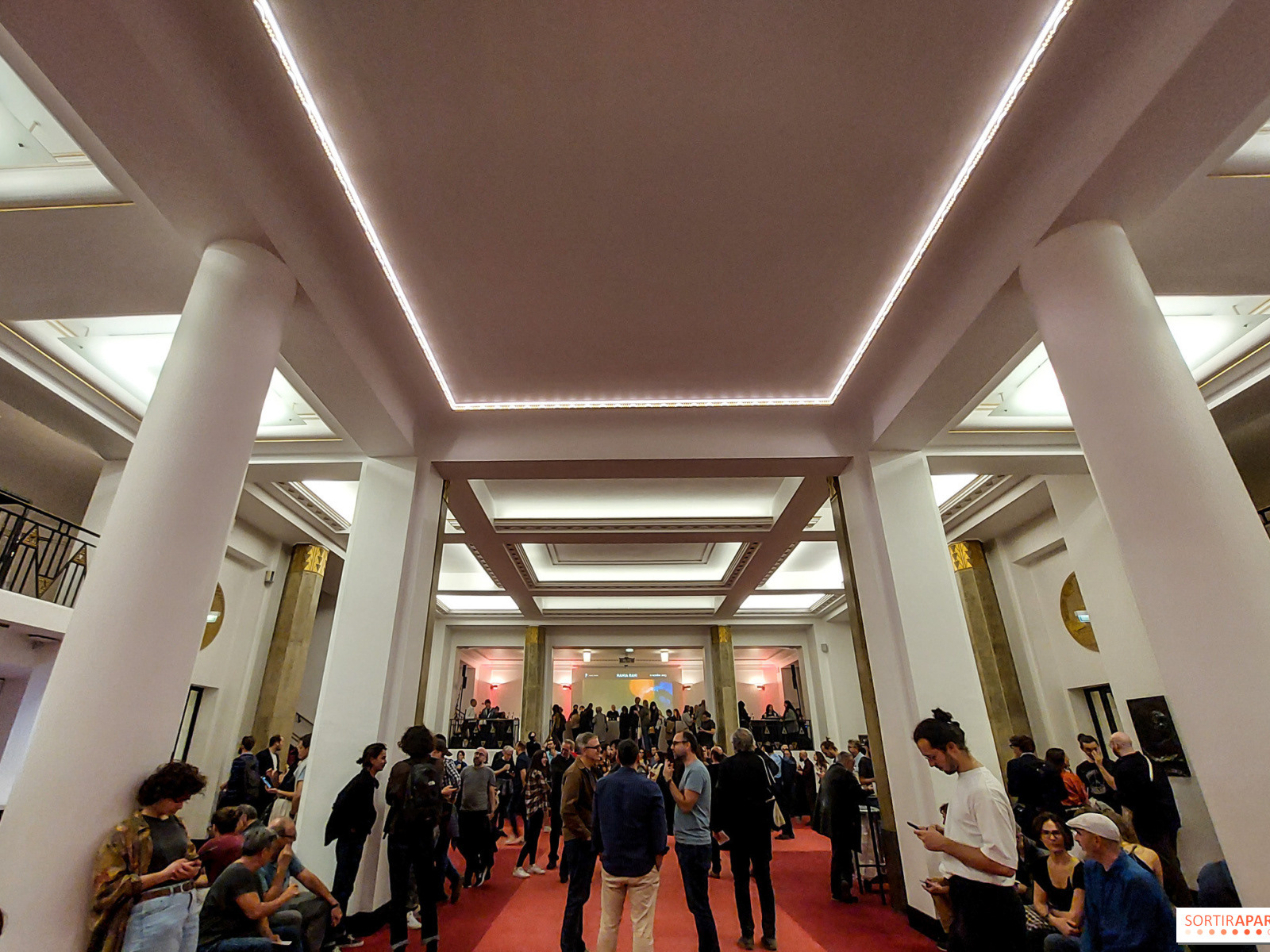
SALLE PLEYEL: Foyer et balcons
1997
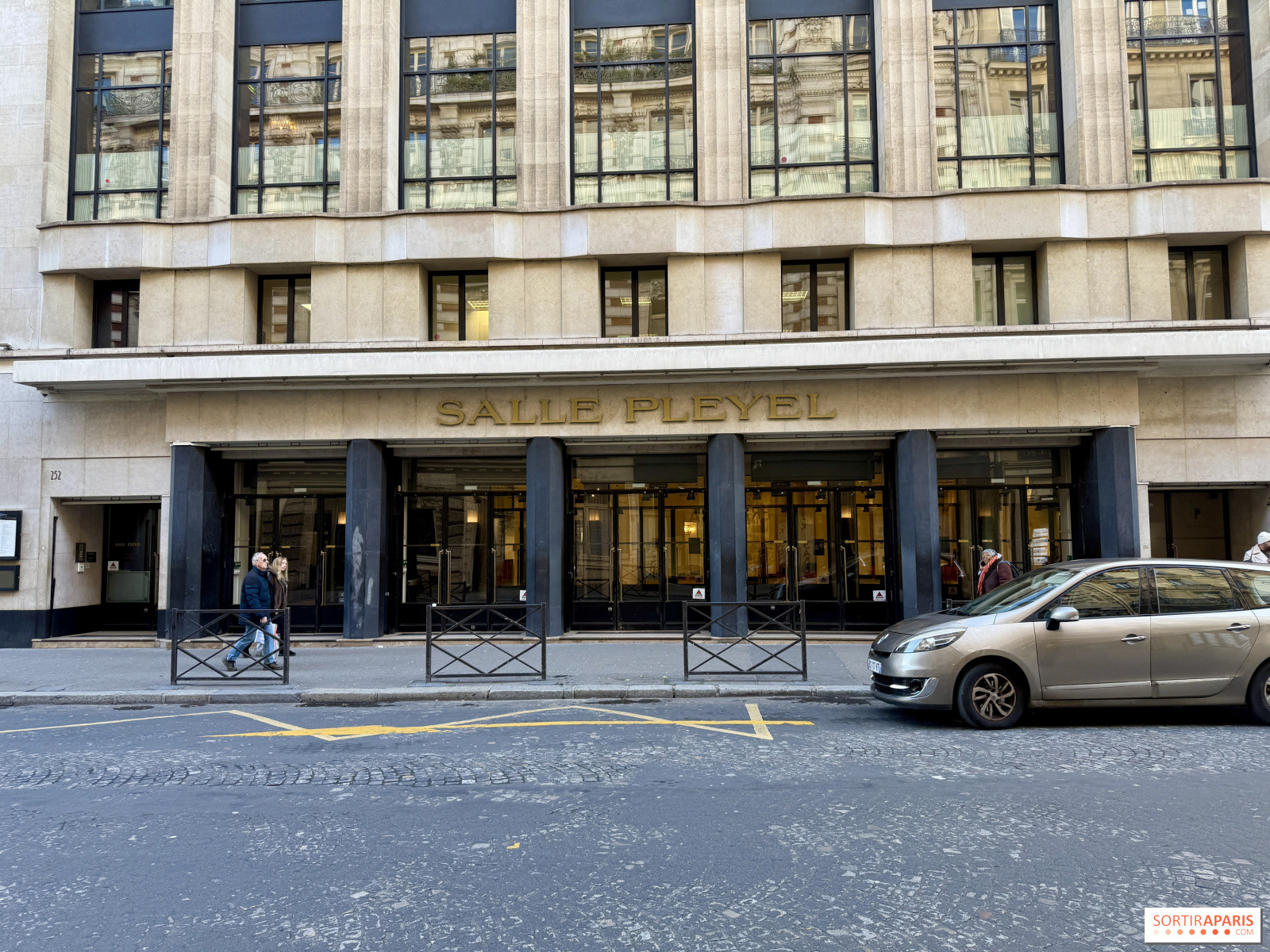
PLEYEL
2025
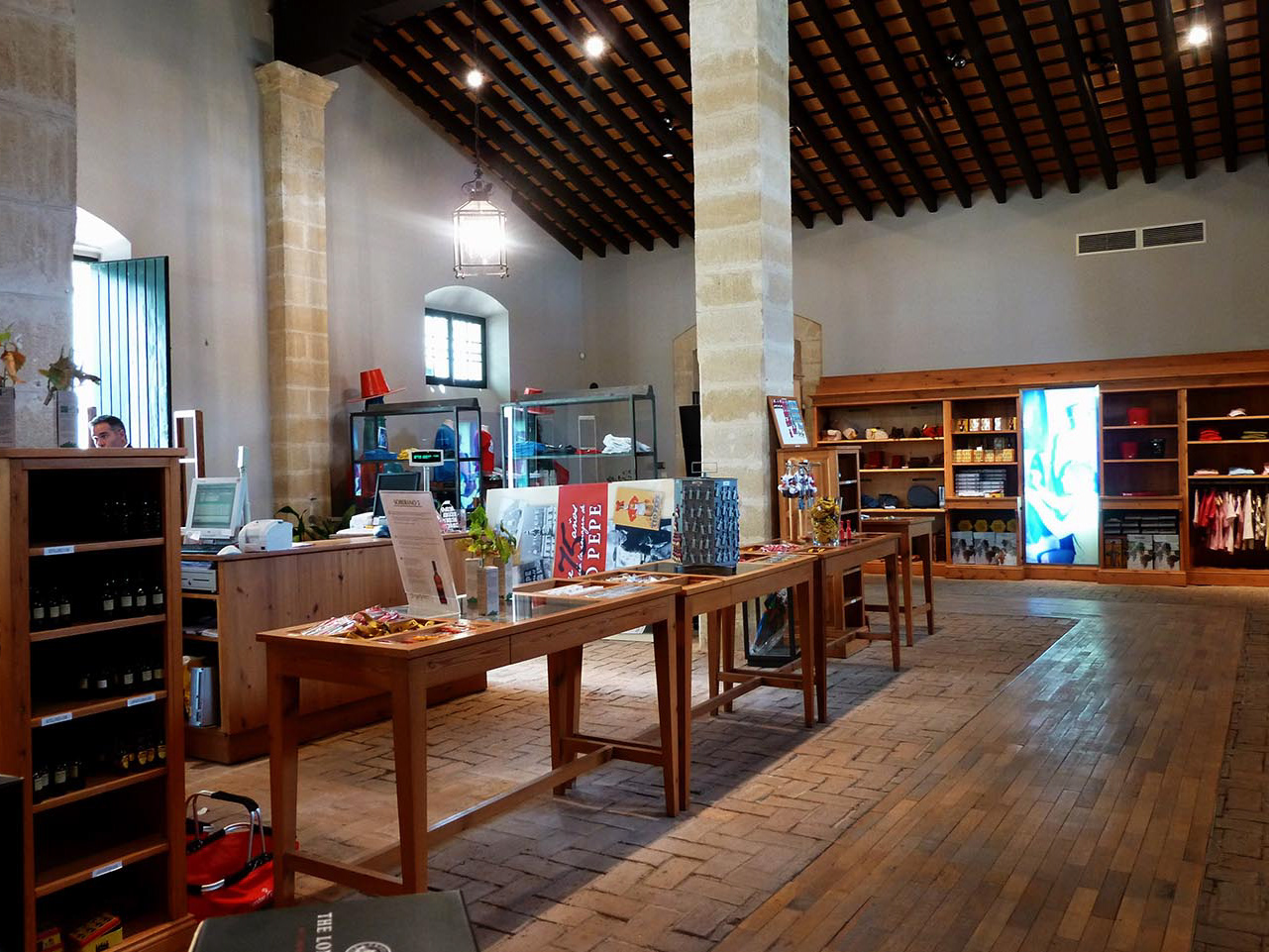
TIO PEPE: branding and elegance
2011
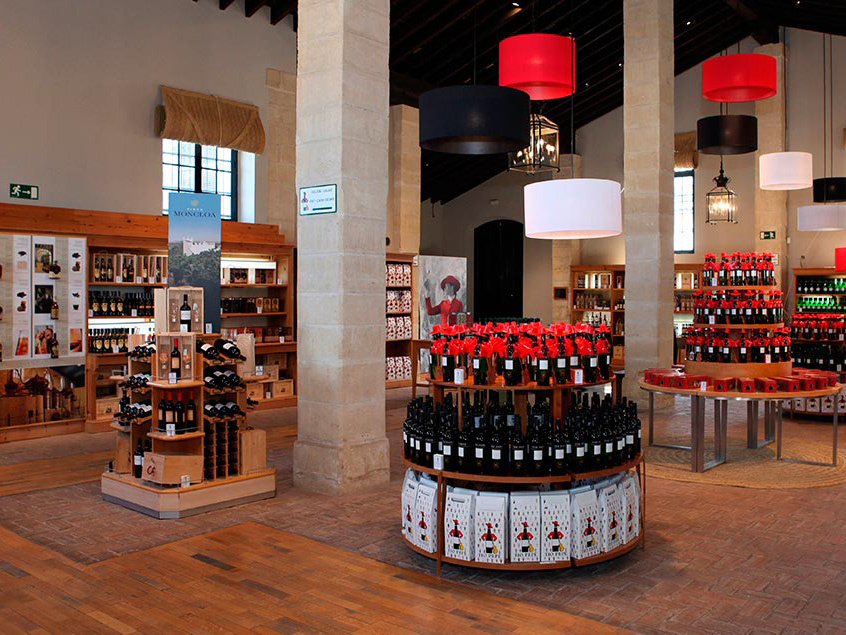
TIO PEPE: retail lighting with accent
2011
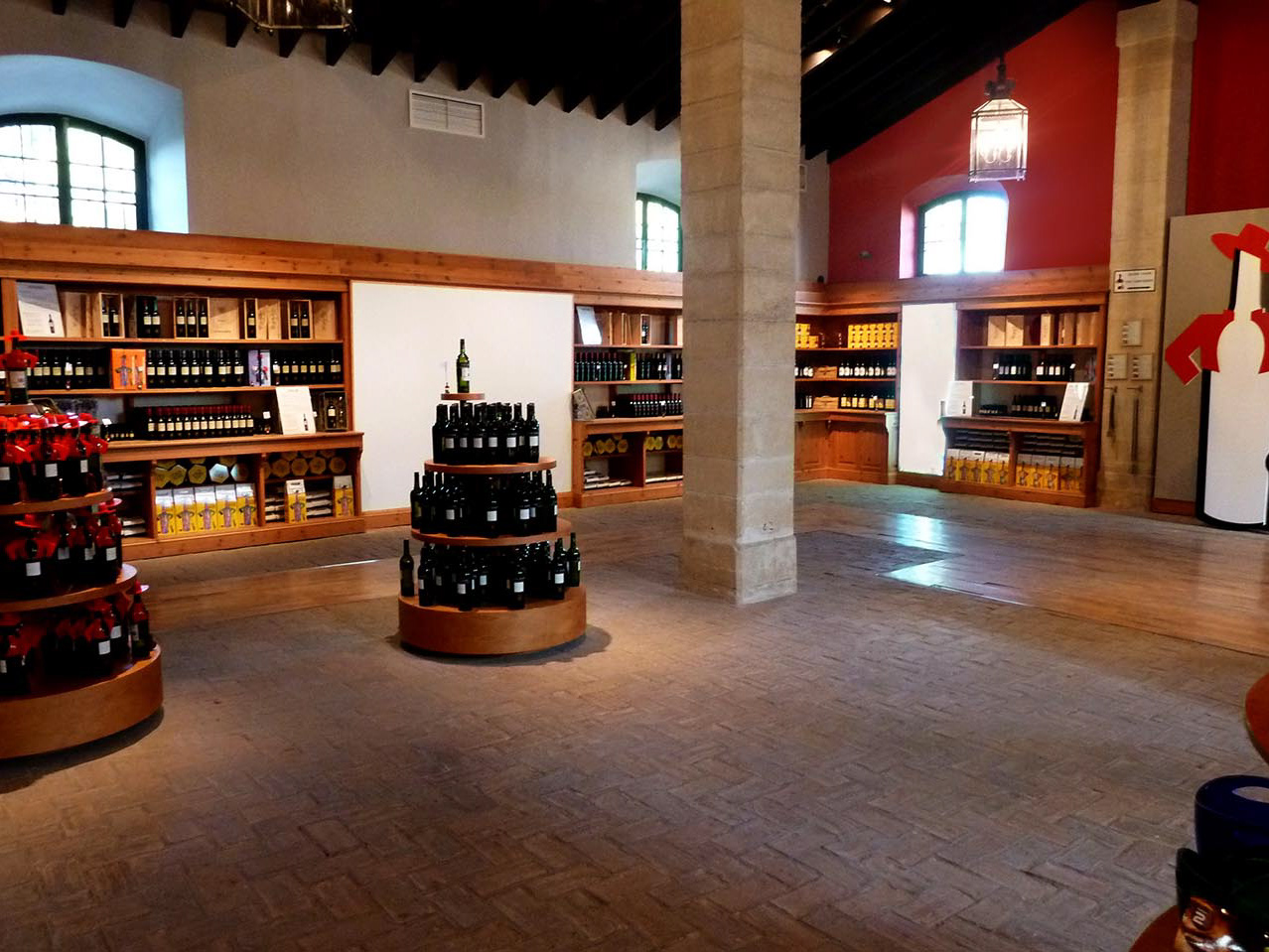
TIO PEPE: accent lighting
2011
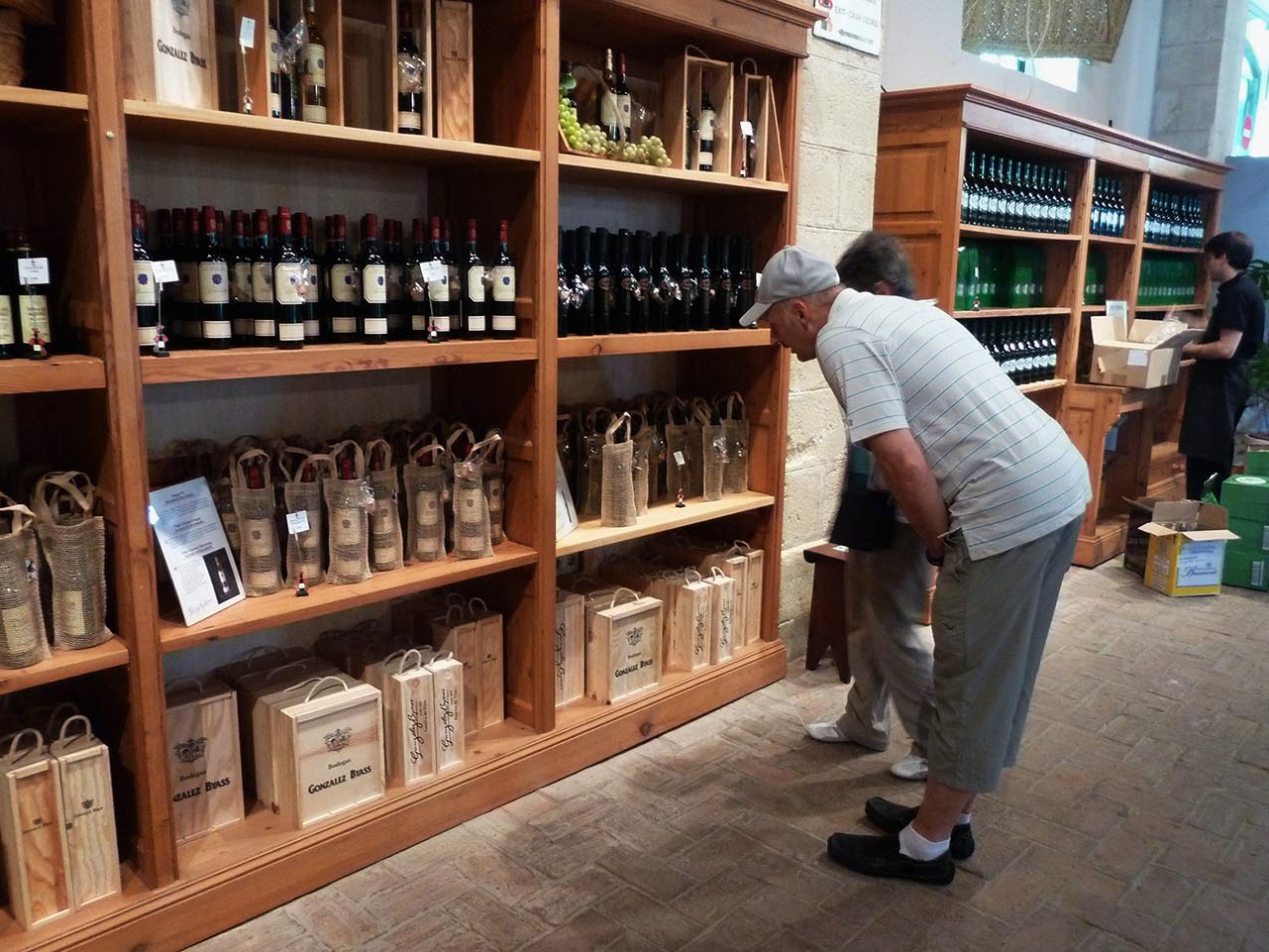
TIO PEPE: lighting for product visibility
2011
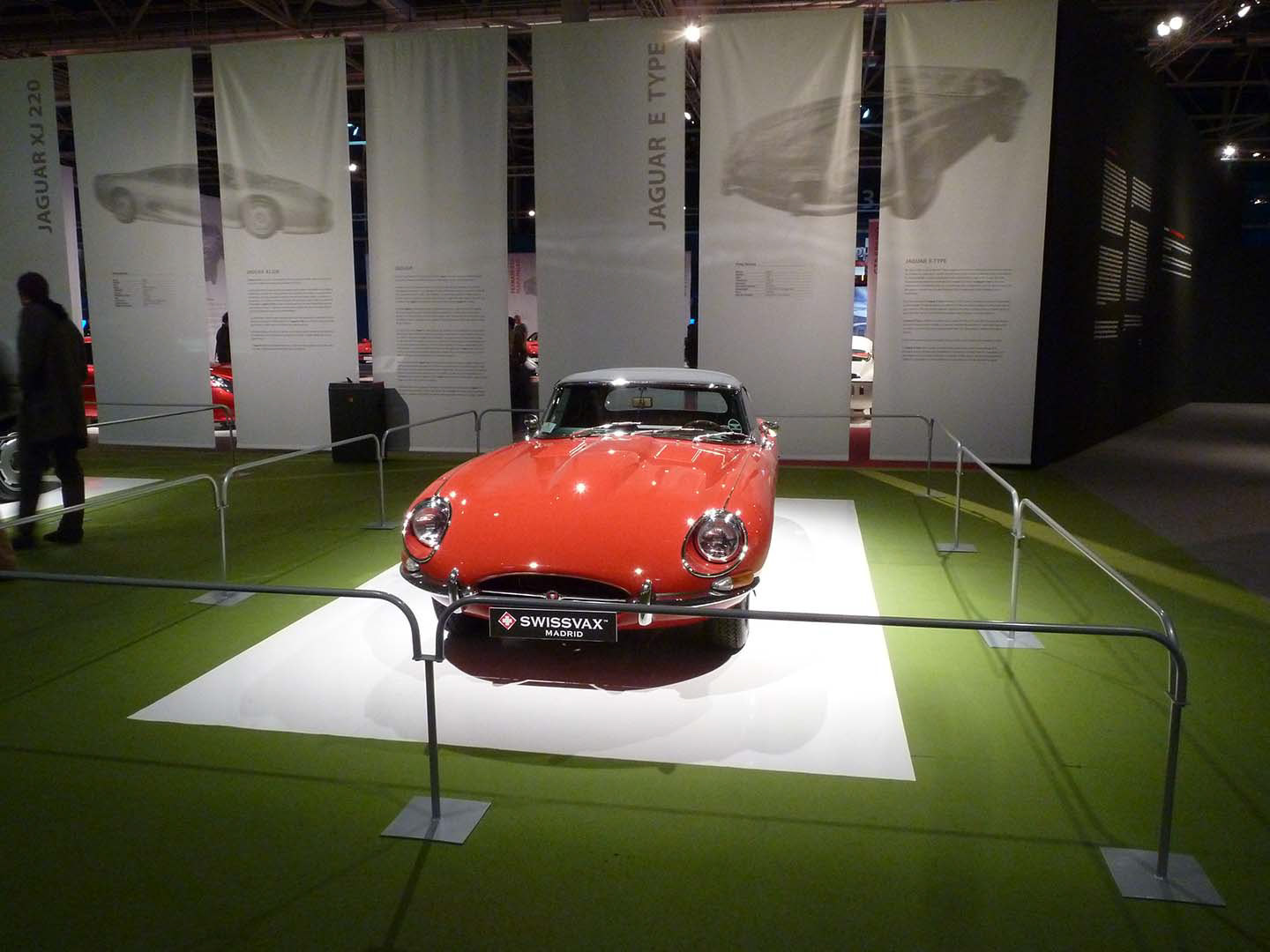
SUPERDEPORTIVOS
2011
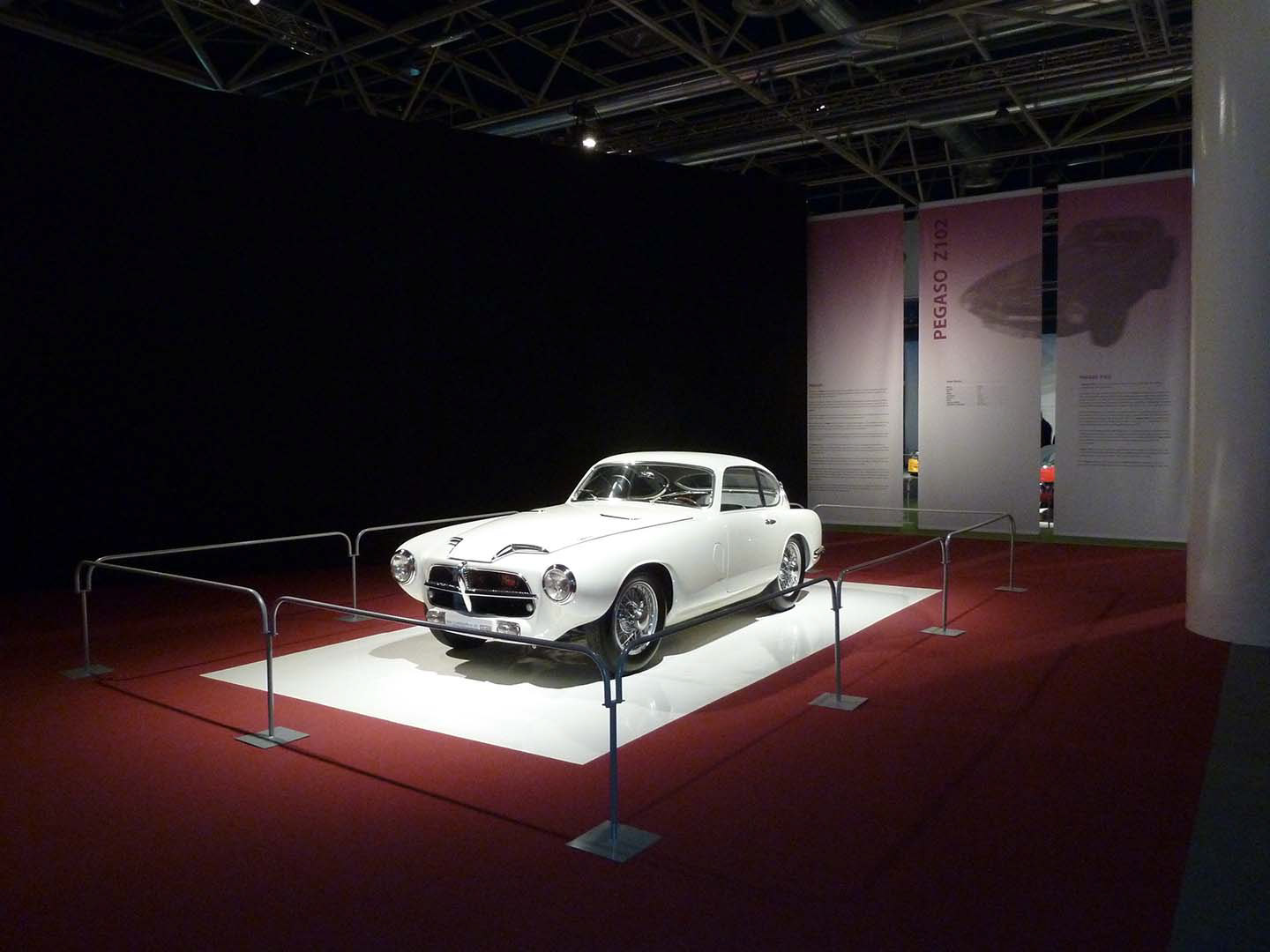
SUPERDEPORTIVOS
2011
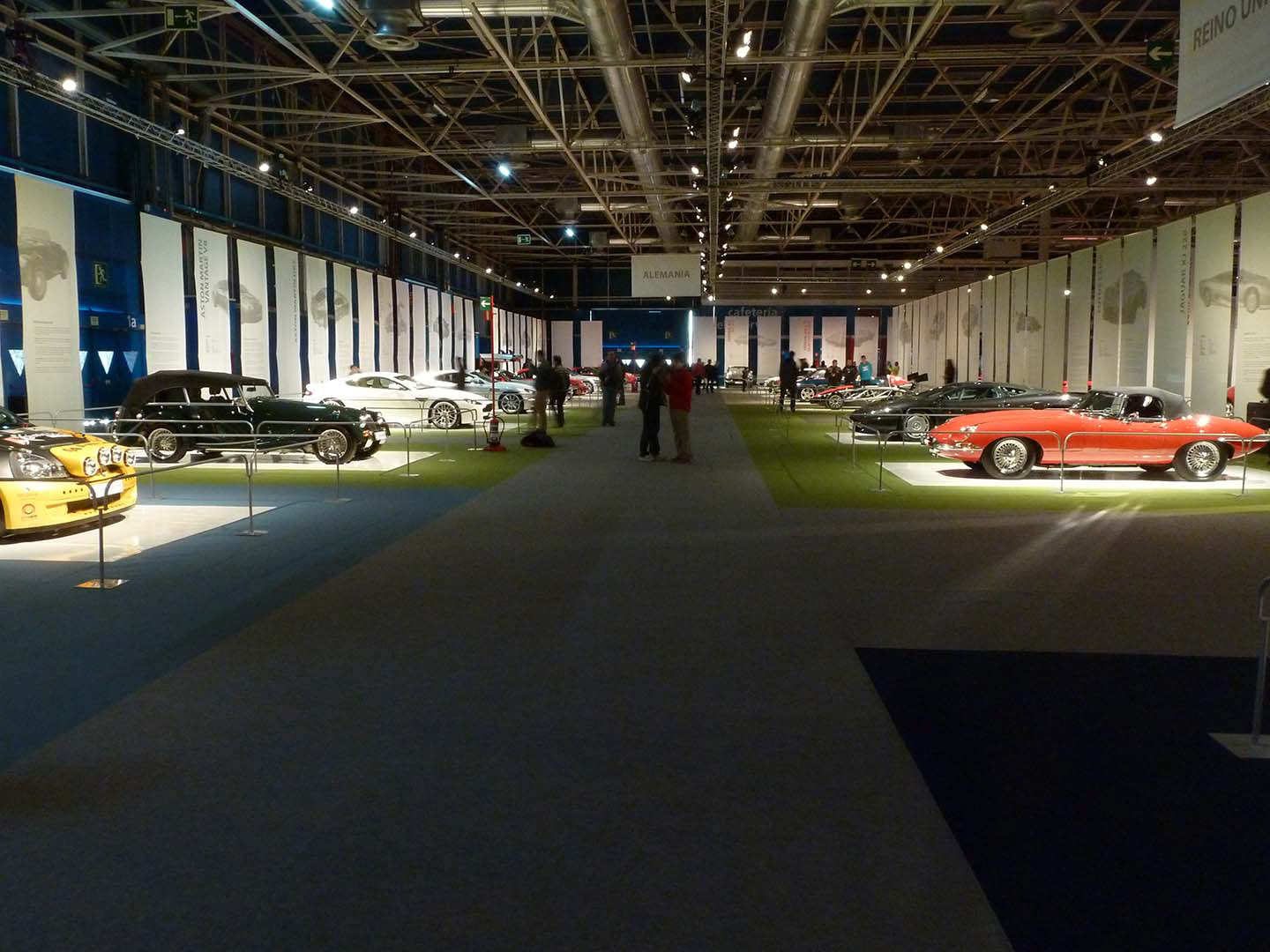
SUPERDEPORTIVOS
2011
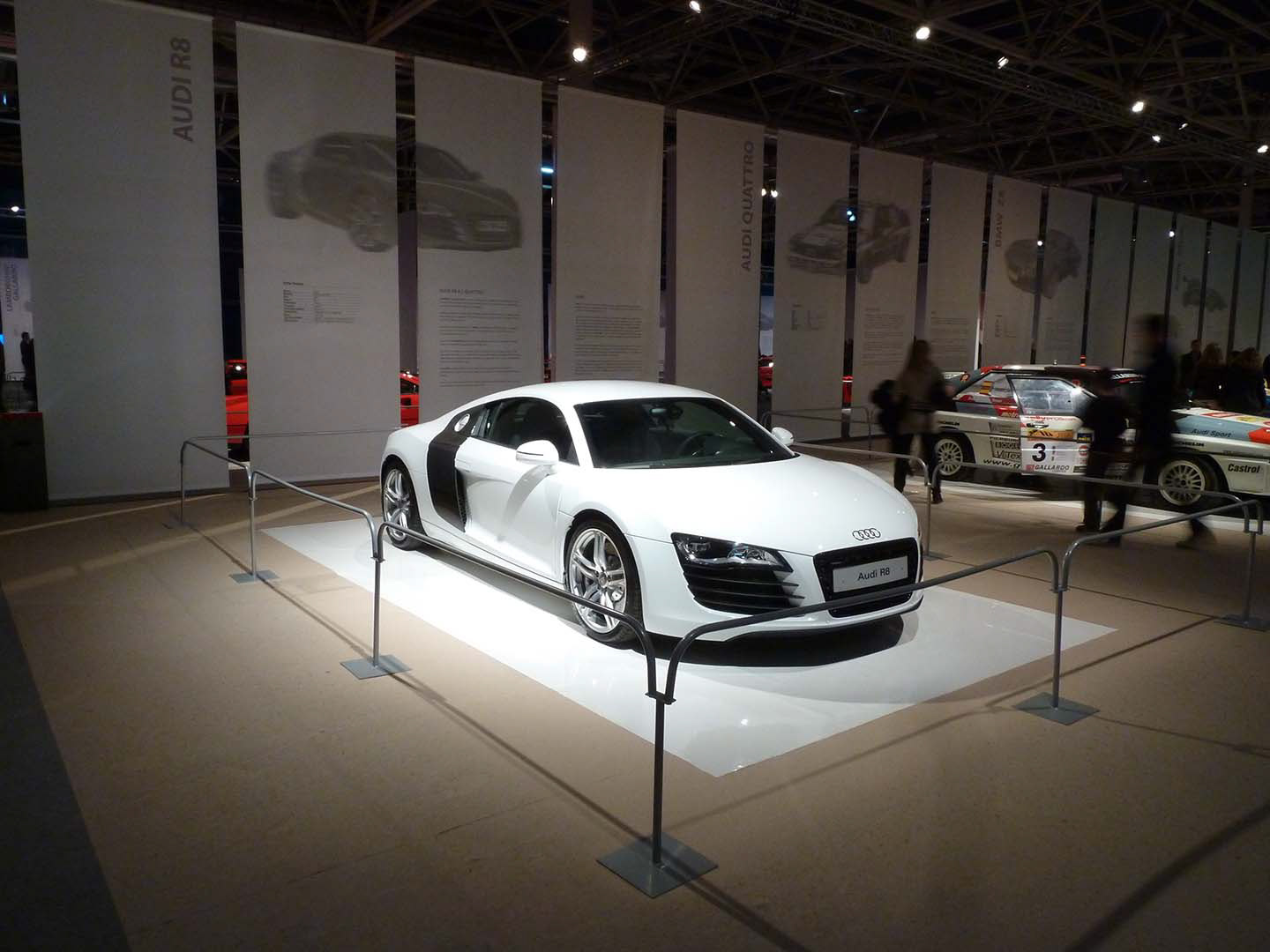
SUPERDEPORTIVOS
2011
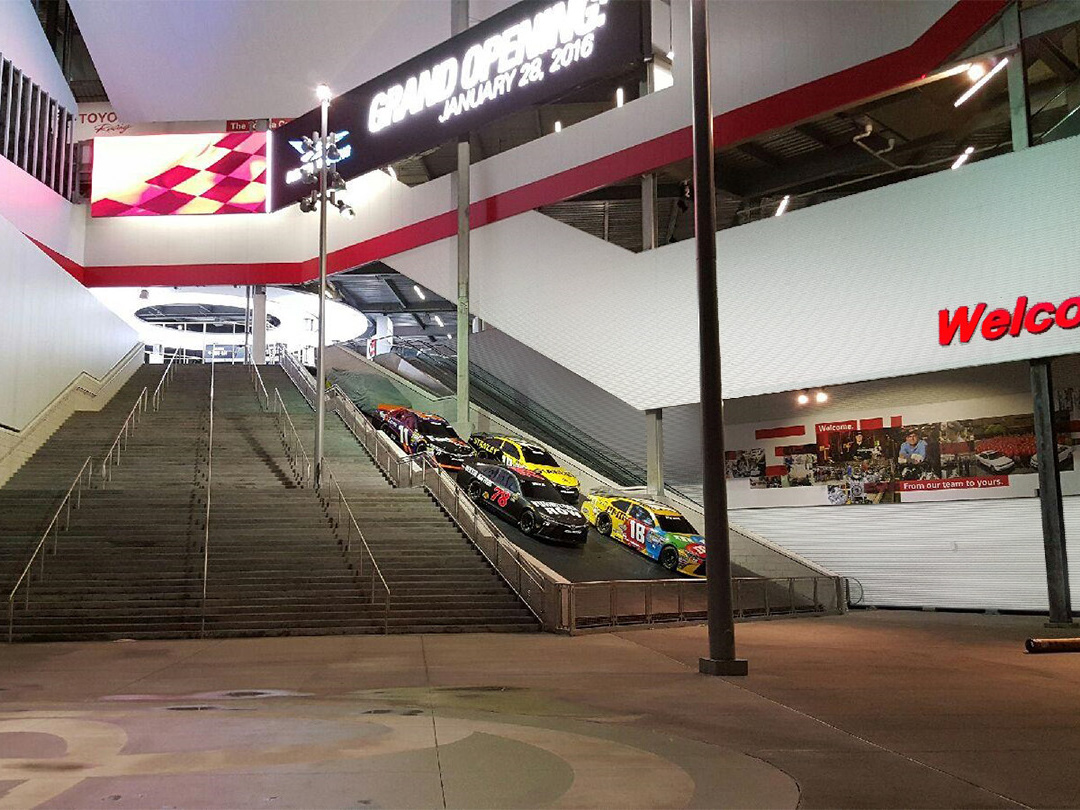
DAYTON INYECTOR 4: entrance
2016
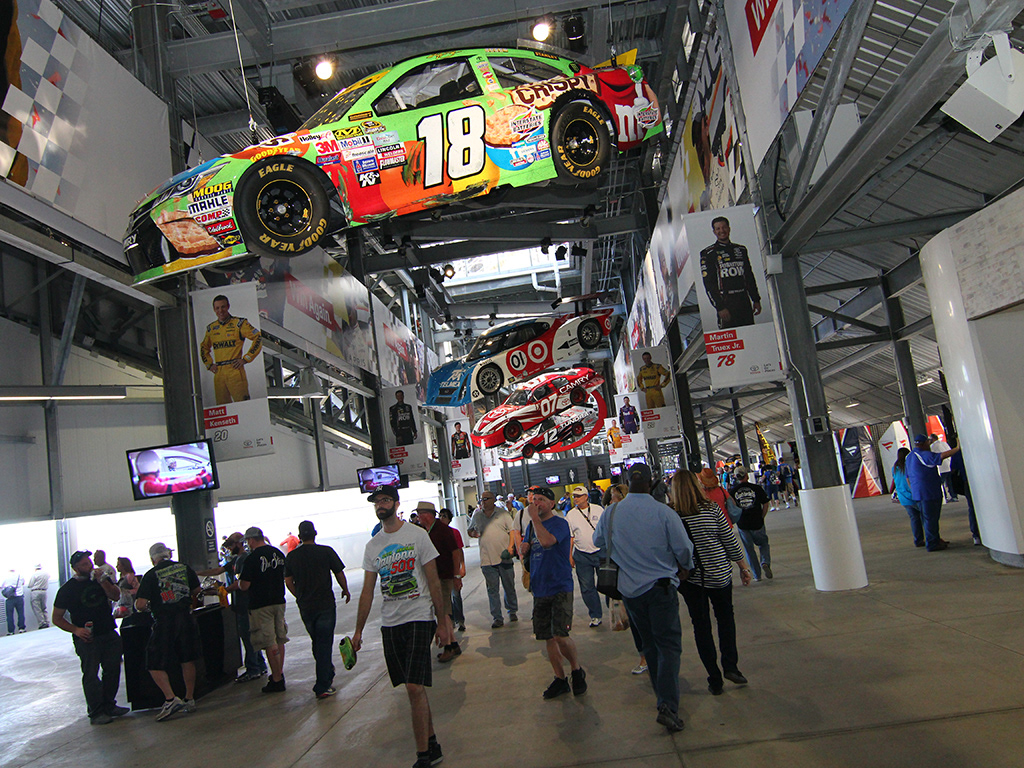
DAYTON INYECTOR 4: race cars
2025
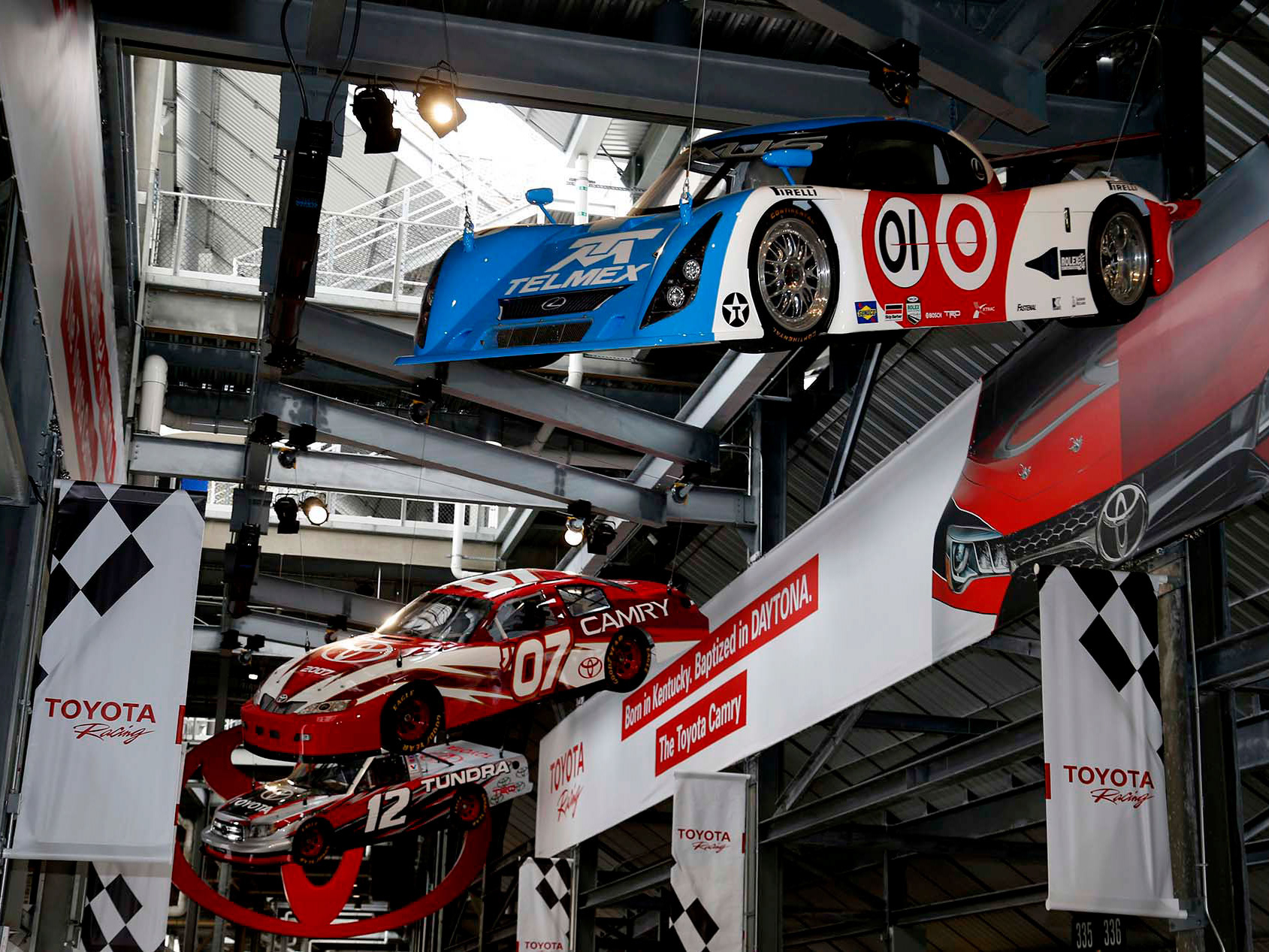
DAYTON INYECTOR 4: race cars
2016
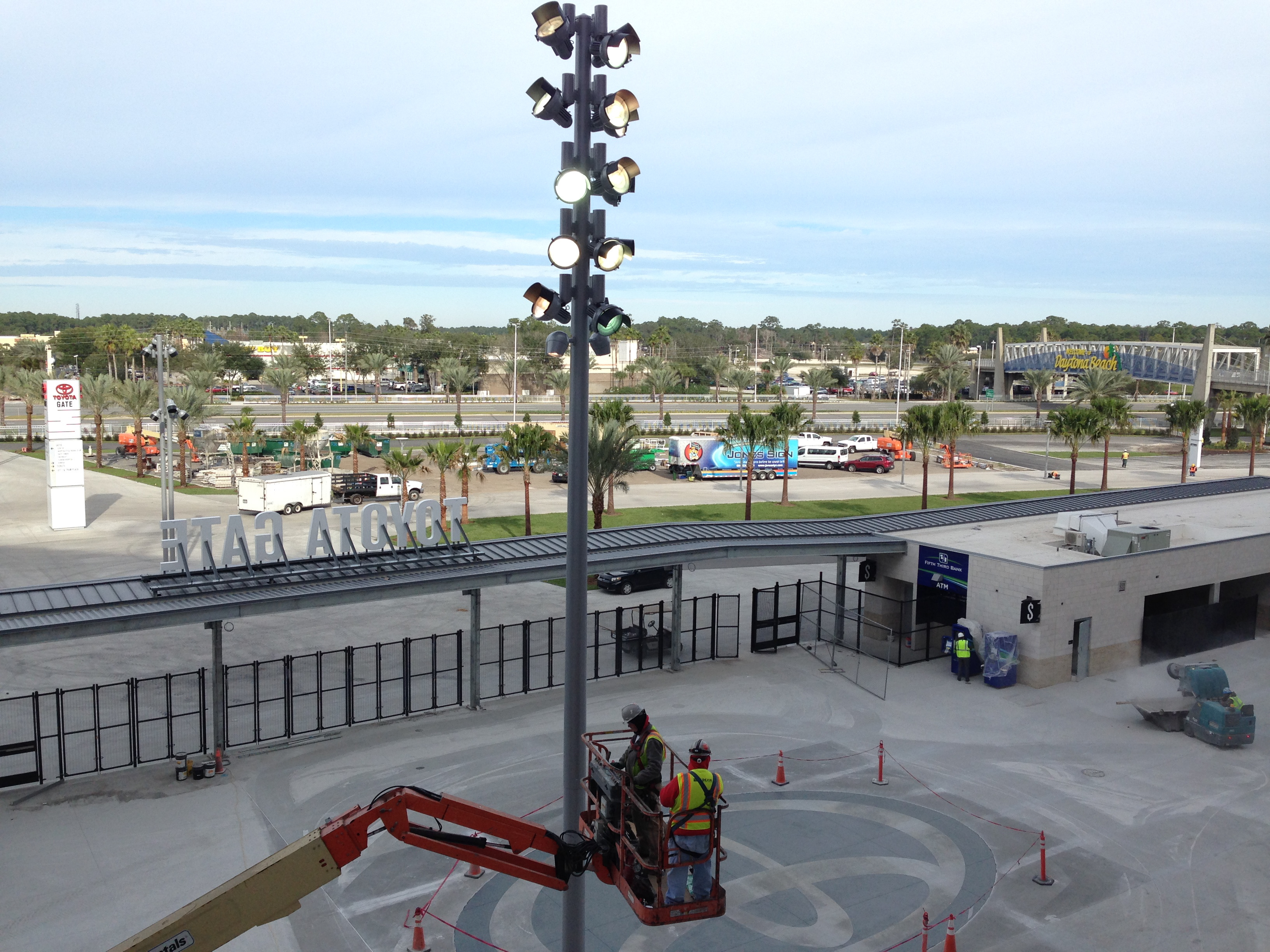
DAYTON INYECTOR 4: exterior posts
2016
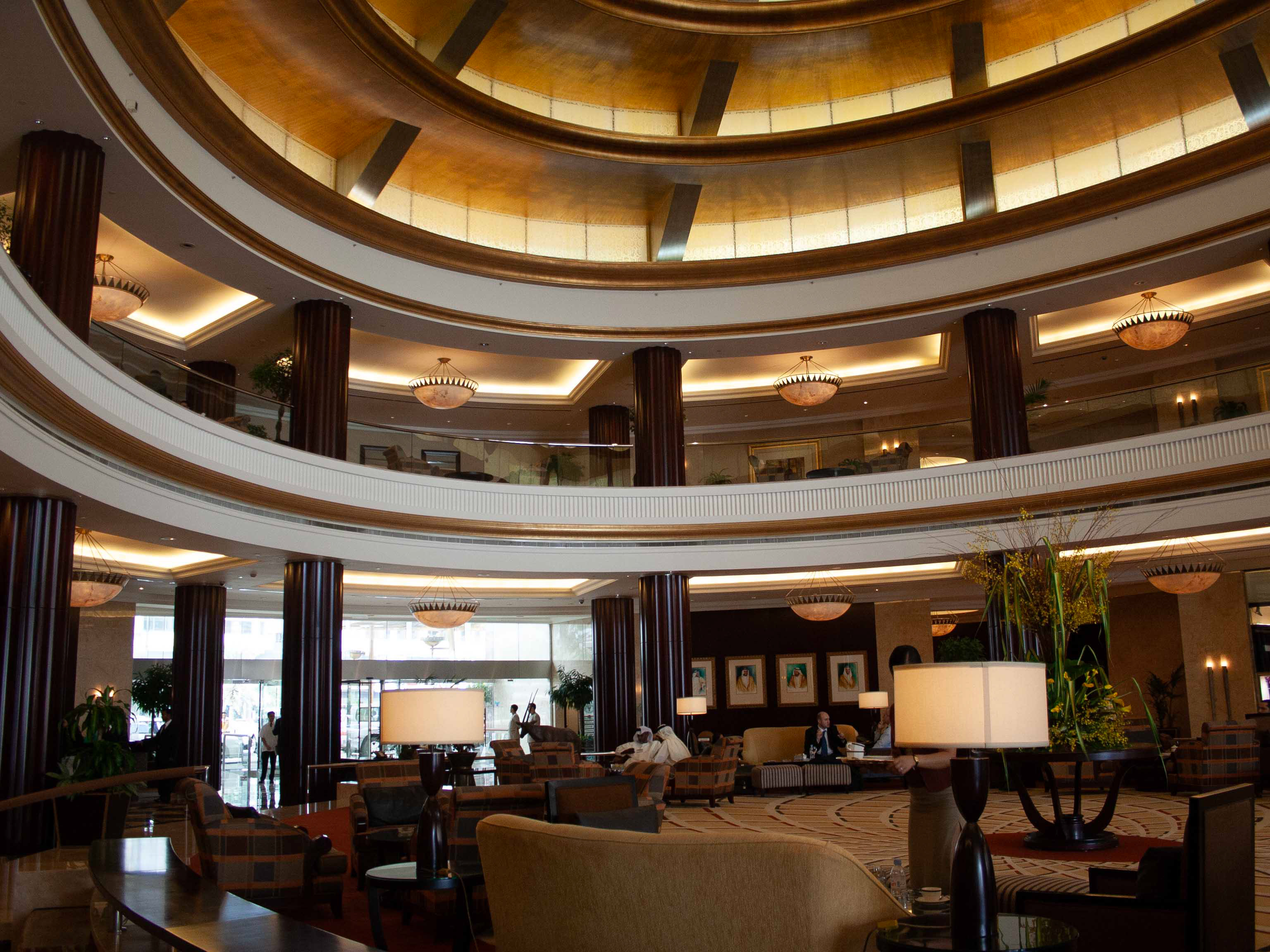
ROTANA LOBBY
2002
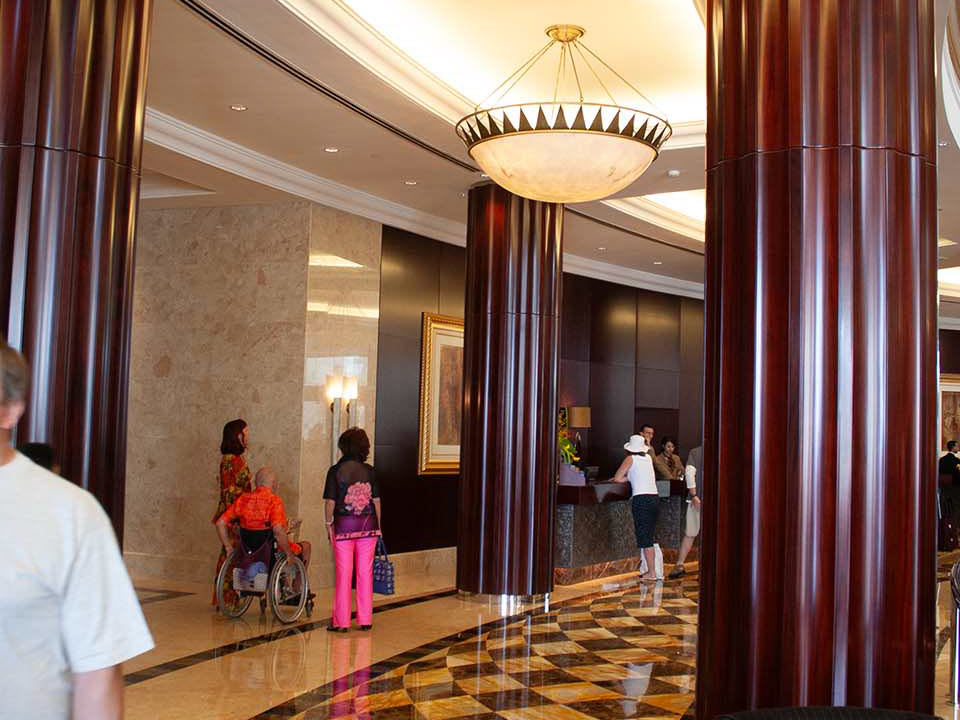
ROTANA LOBBY:
2002
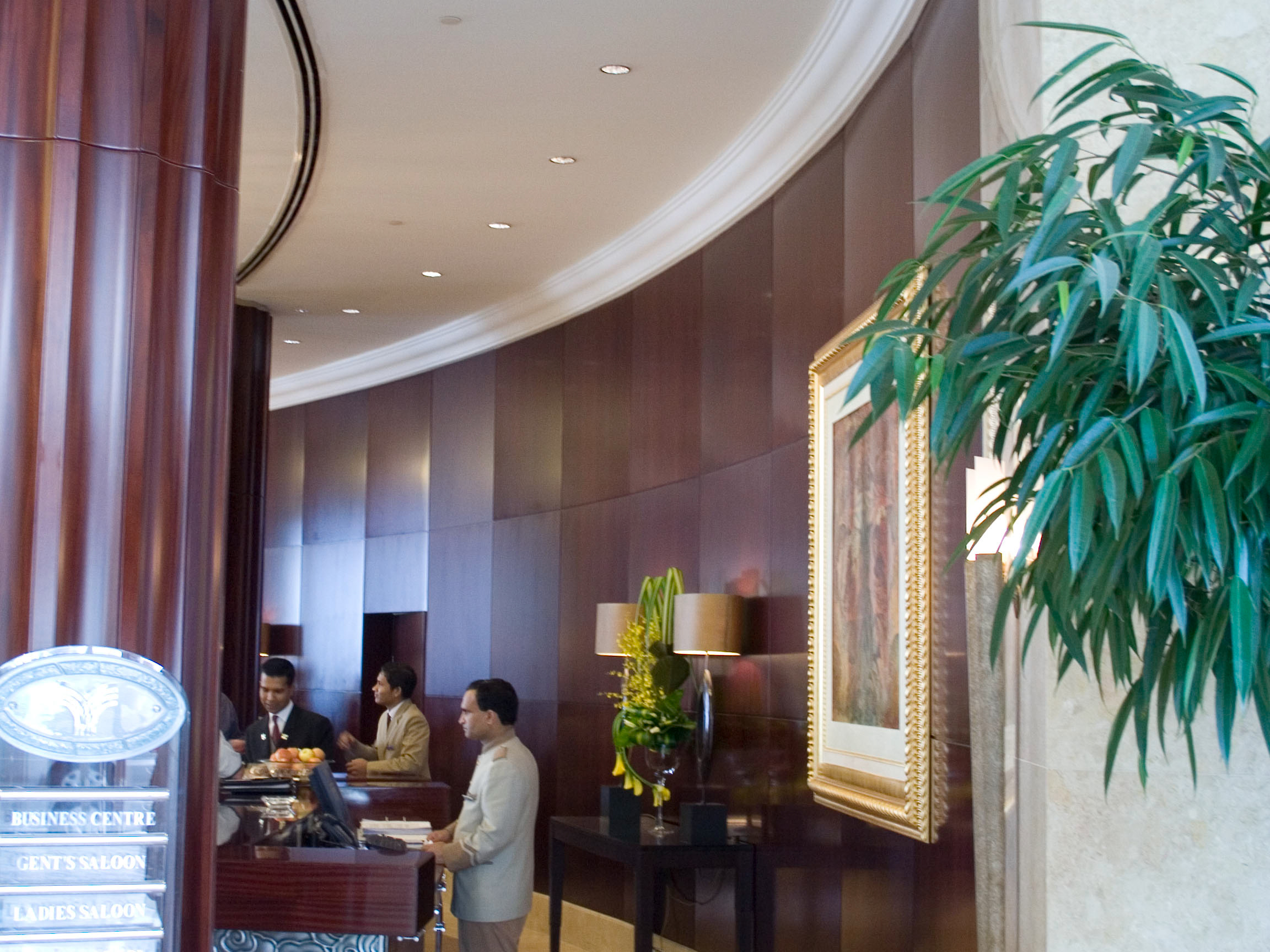
ROTANA LOBBY
2002
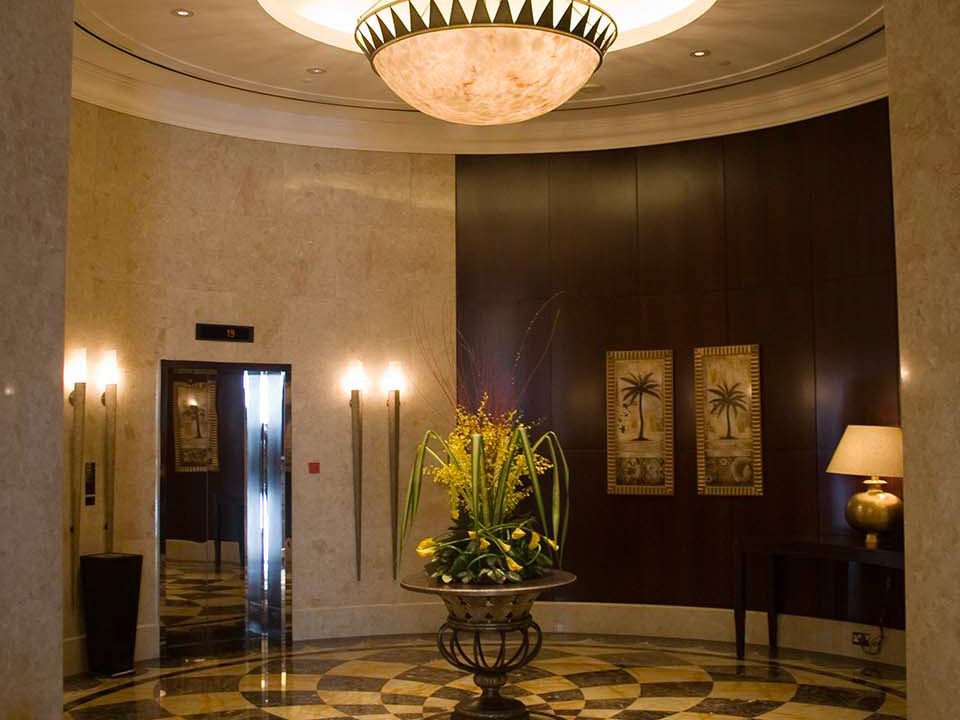
ROTANA LOBBY
2002
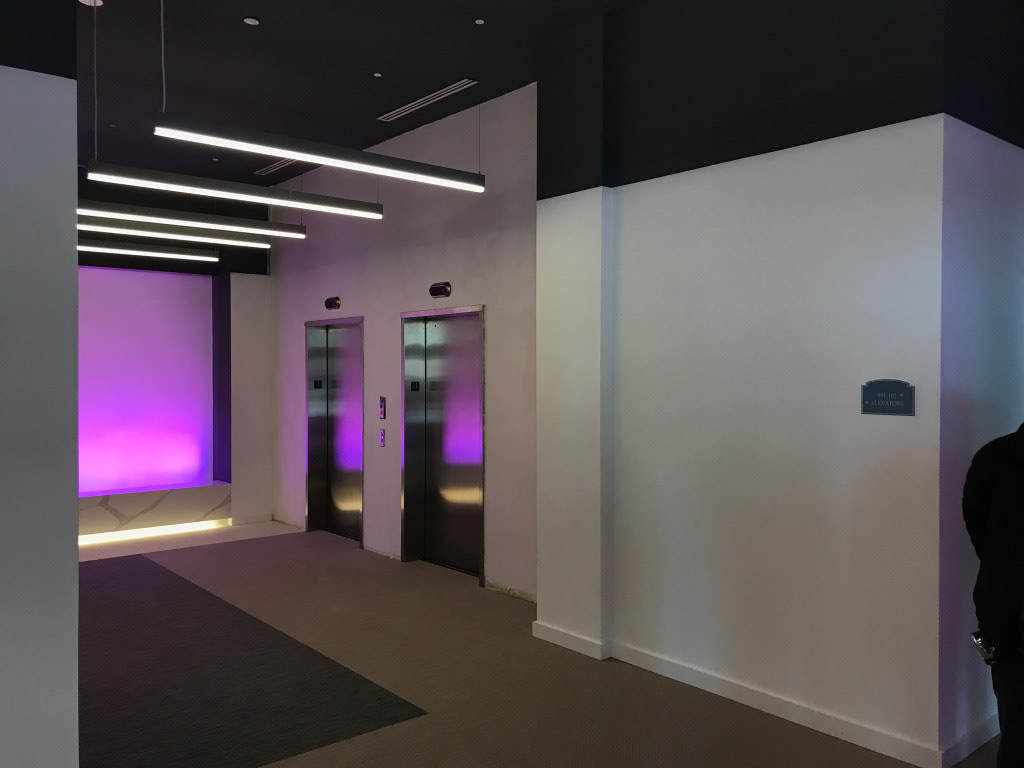
HUNT BUILDING: chromatic cove
2018
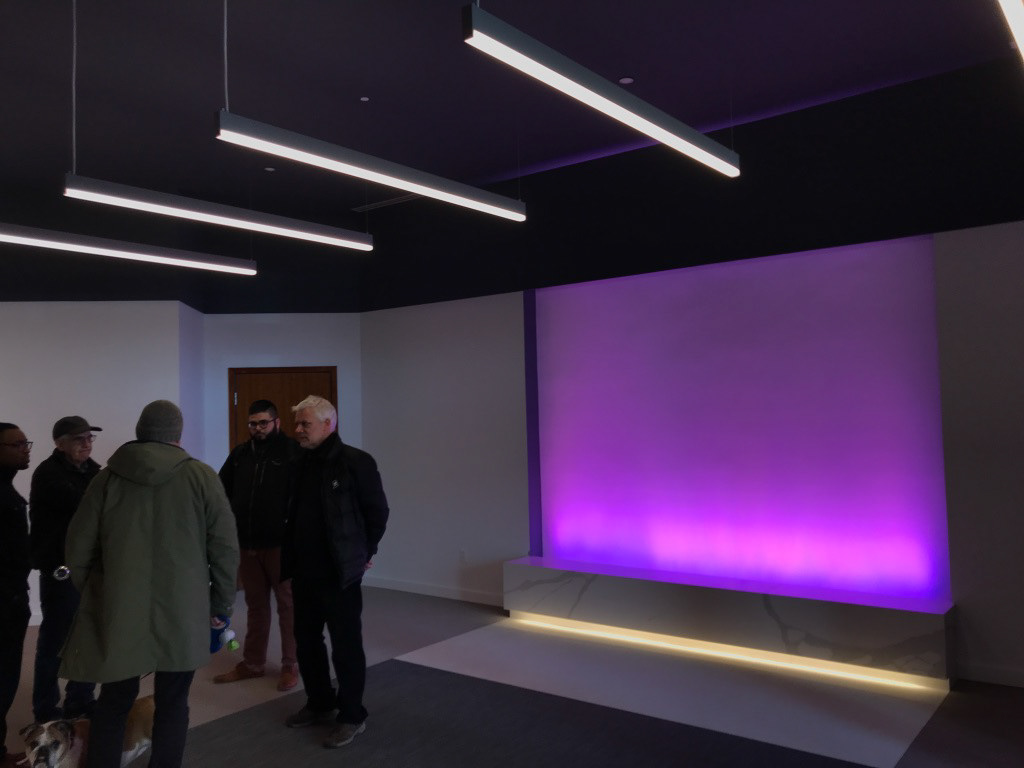
HUNT BUILDING
2025
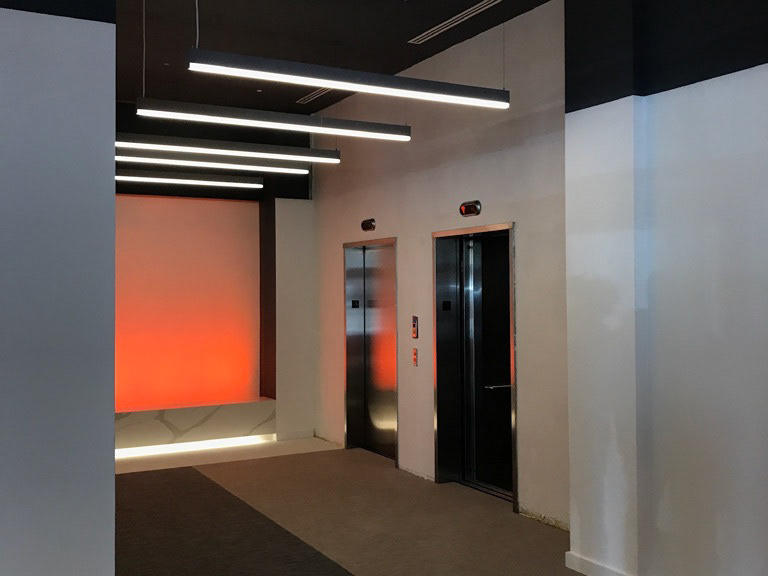
HUNT BUILDING: CHROMATIC COVE
2025
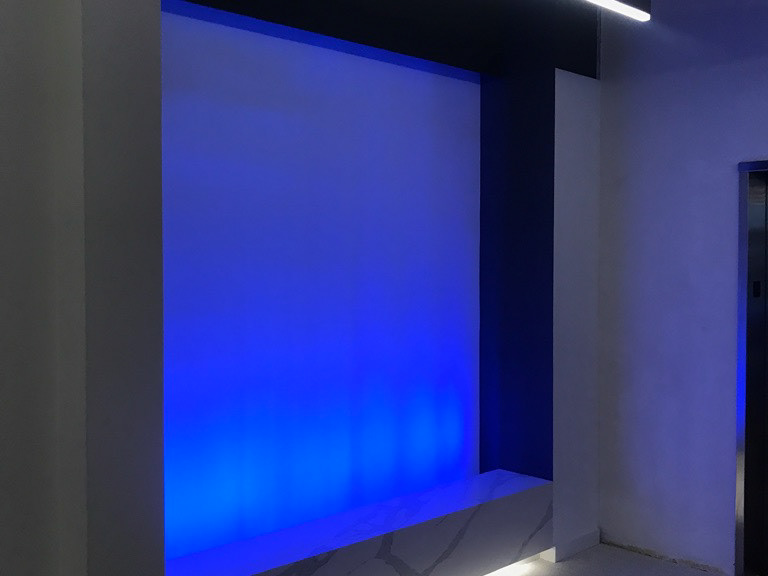
HUNT BUILDING: chromatic cove
2025
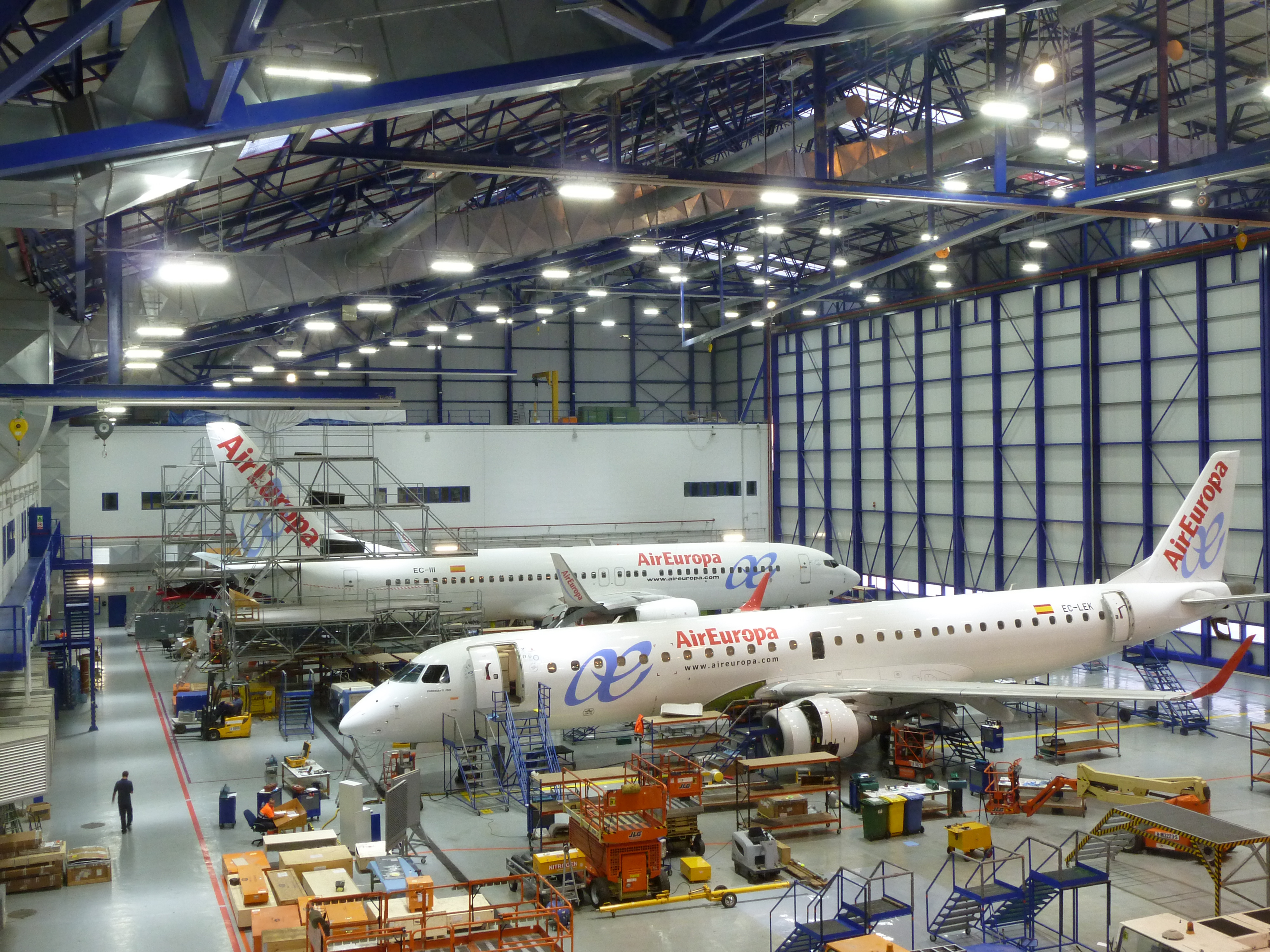
AE HANGAR MAJORCA:: view of the ensemble
2012
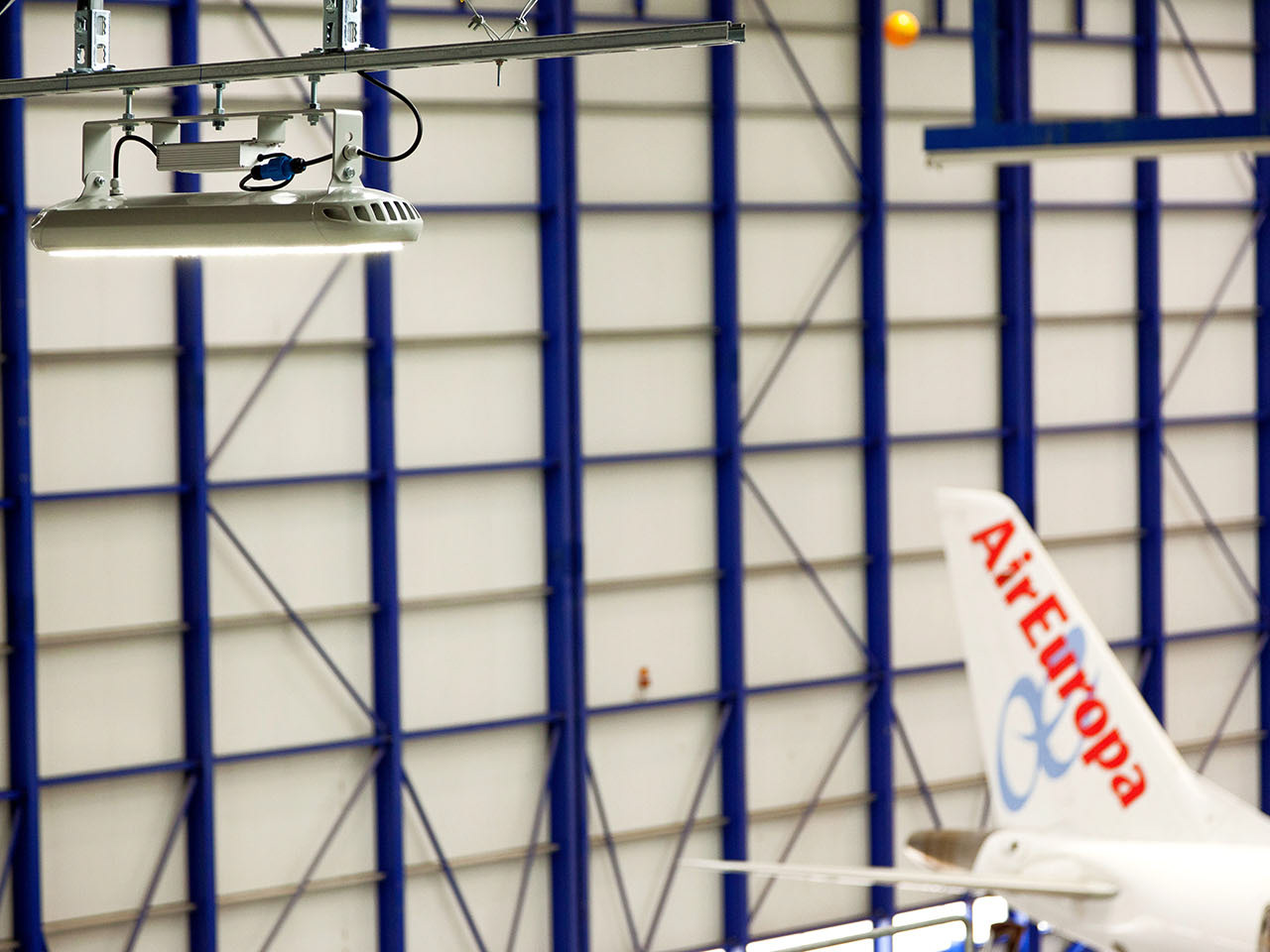
AE HANGAR MAJORCA: details of the lighting fixture
2012
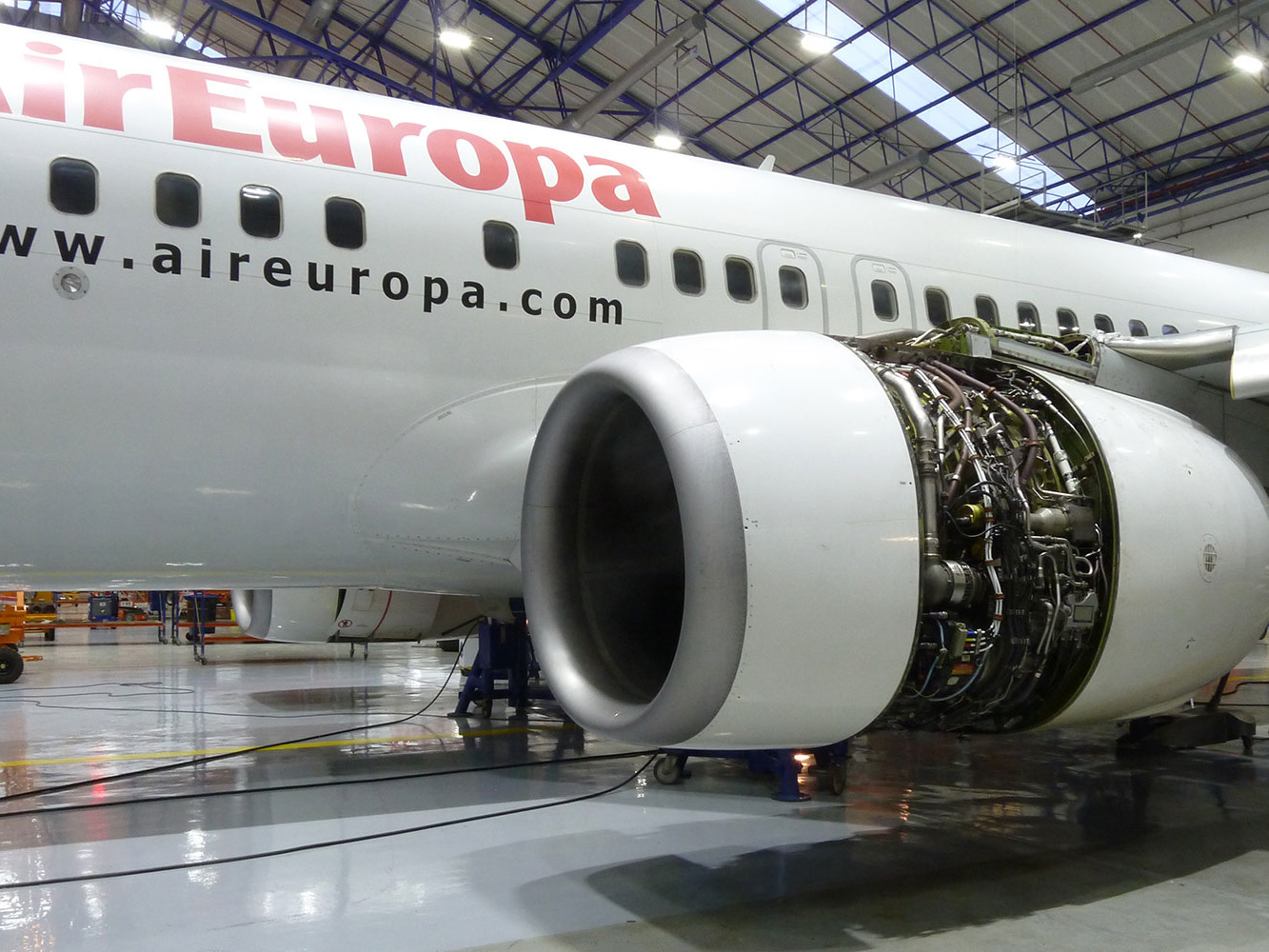
AE HANGAR MAJORCA: detail of the jet engine
2012
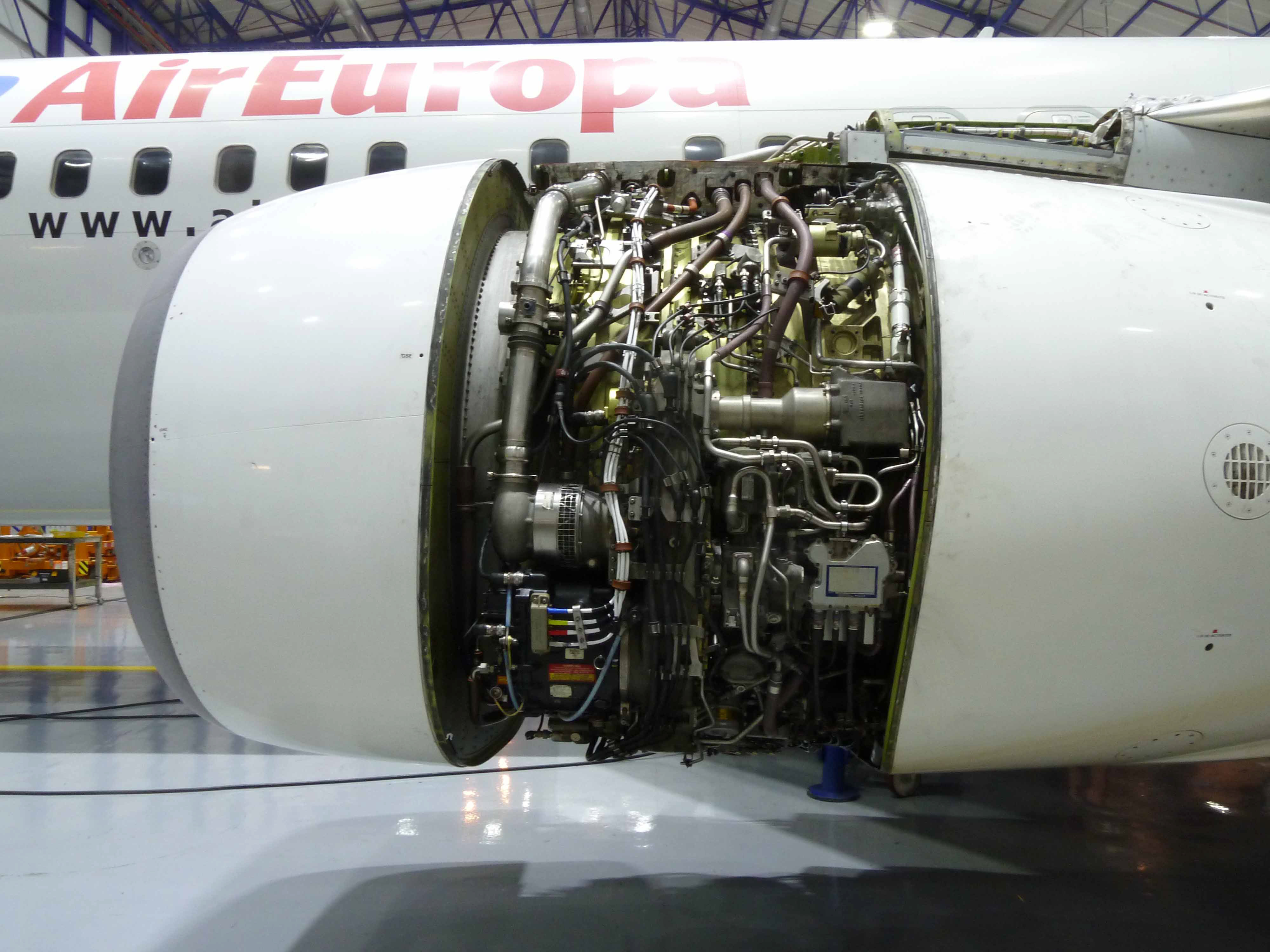
AE HANGAR MAJORCA: details of a jet engine
2012
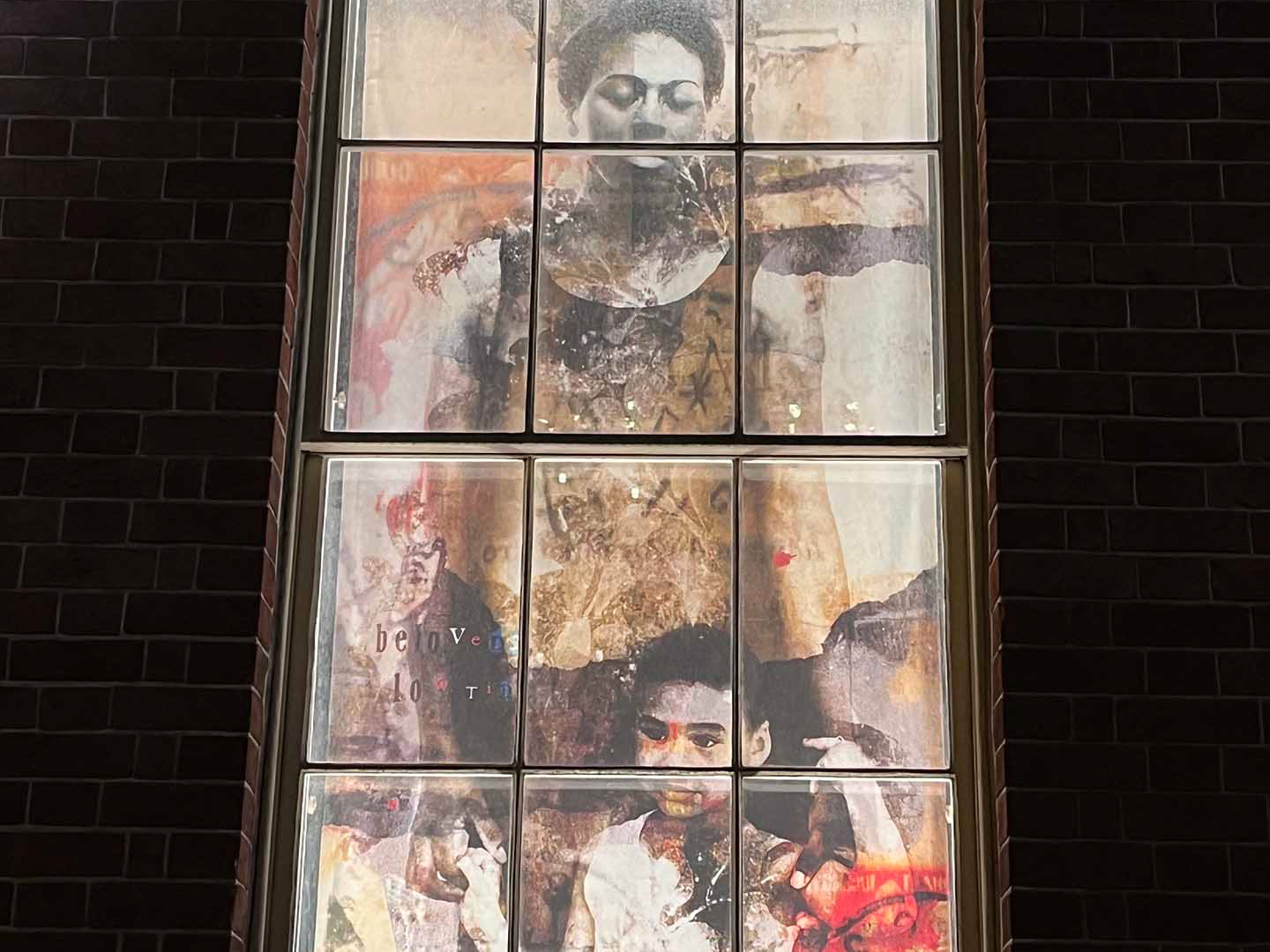
OCTAGON
2025
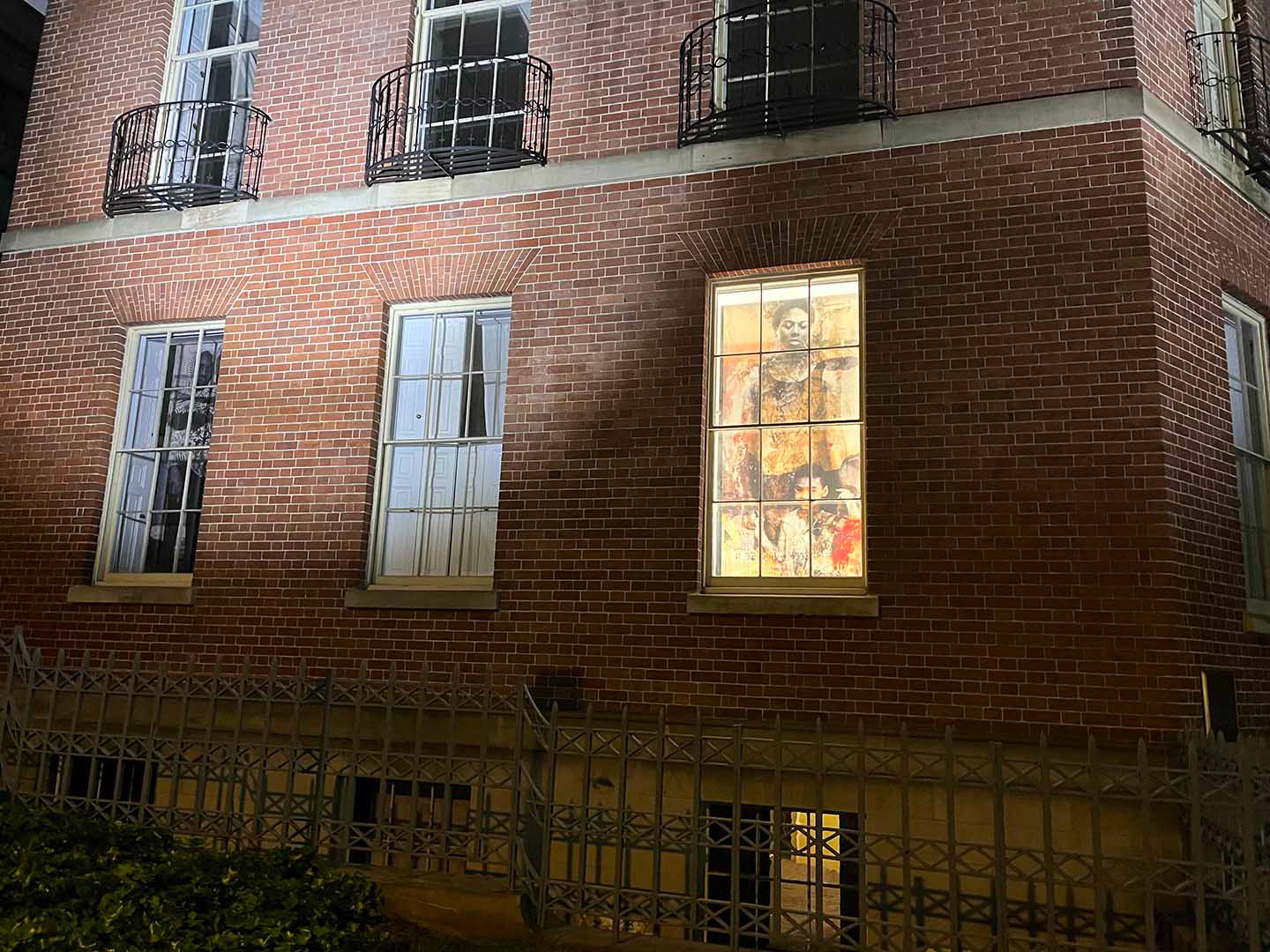
OCTAGON 2 - WASHINGTON, DC
2025
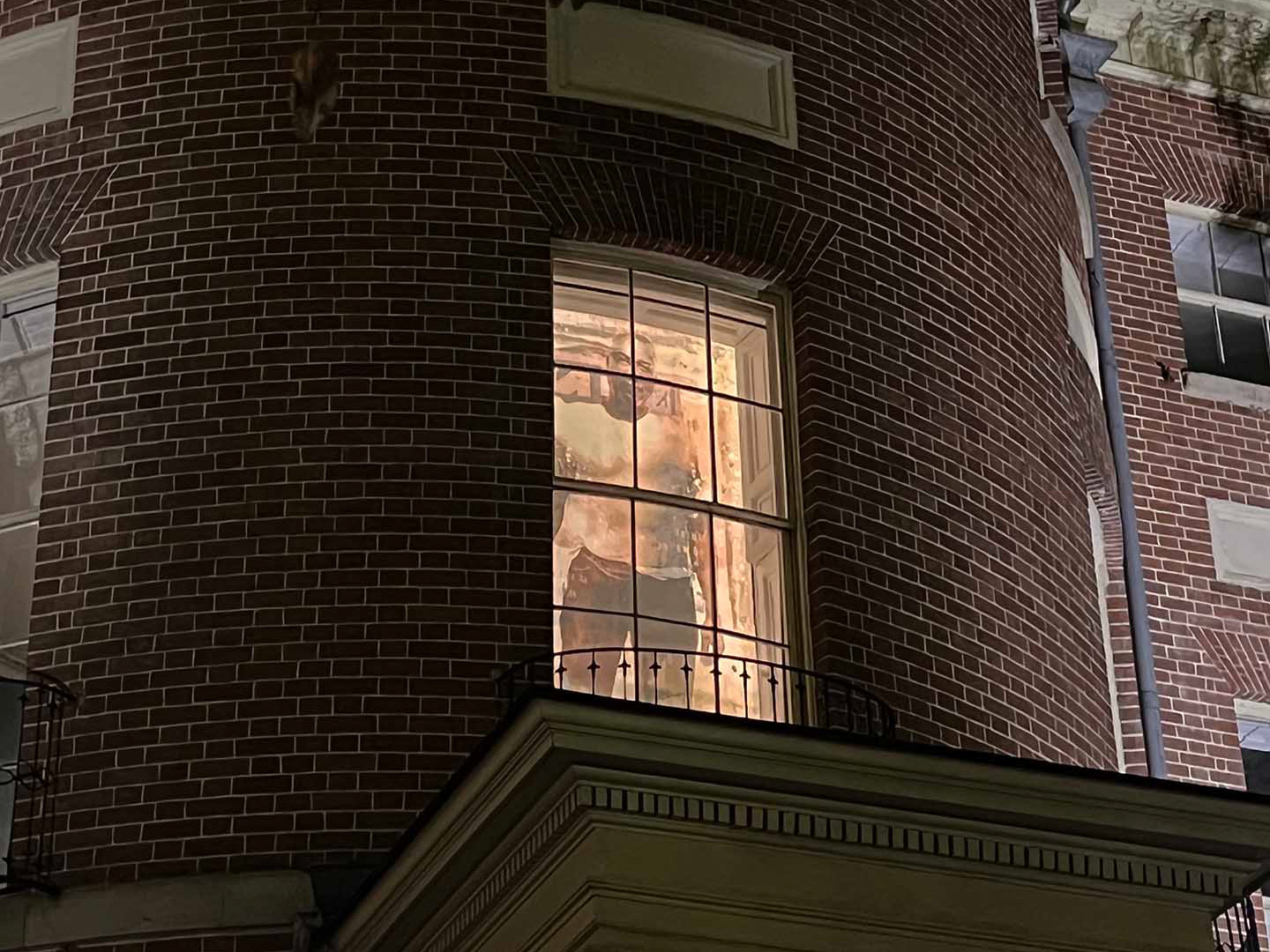
OCTAGON - 3 WASHINGTON, DC
2025
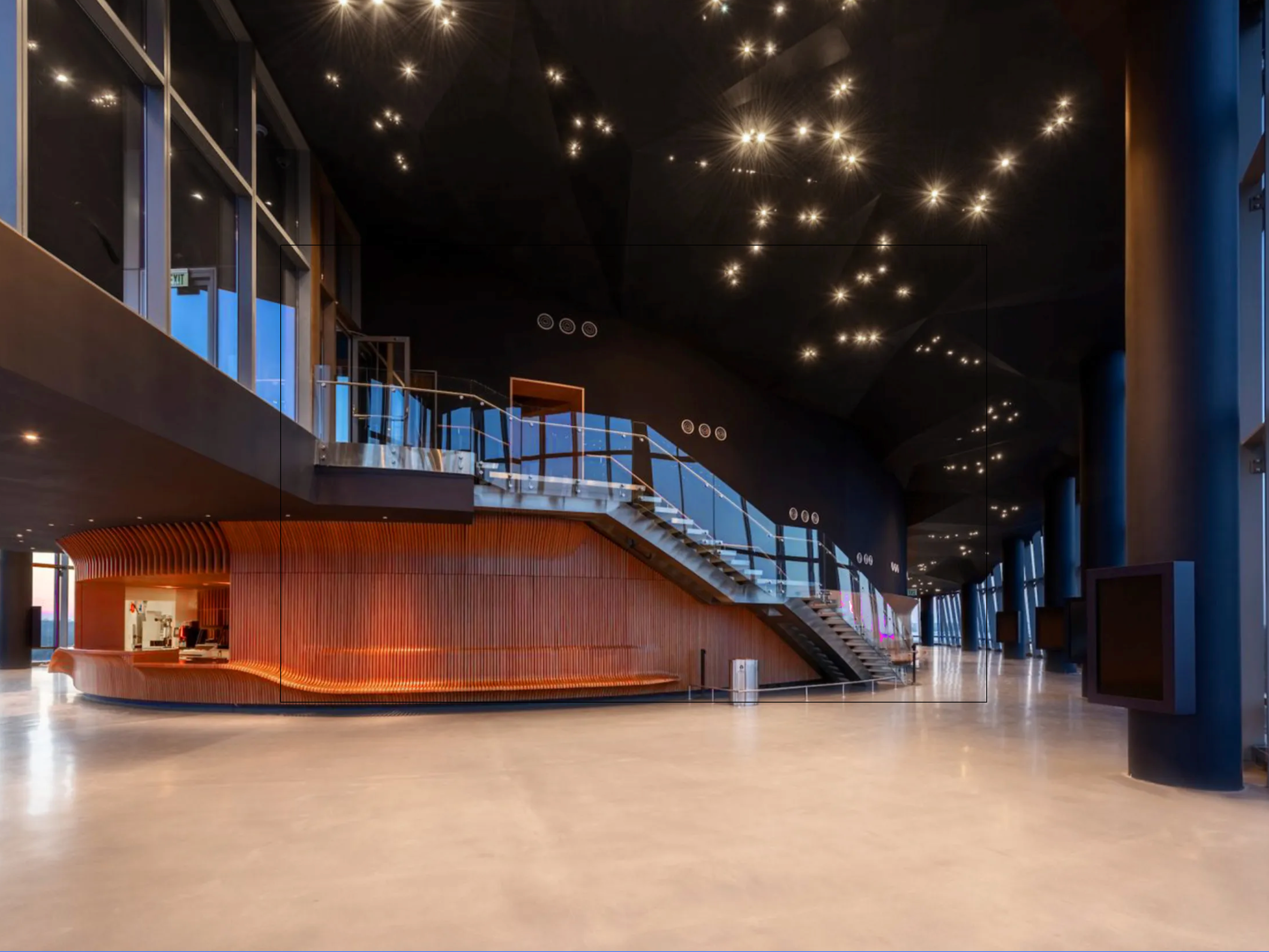
ROSSLYN CENTRAL PLACE: general view
2025
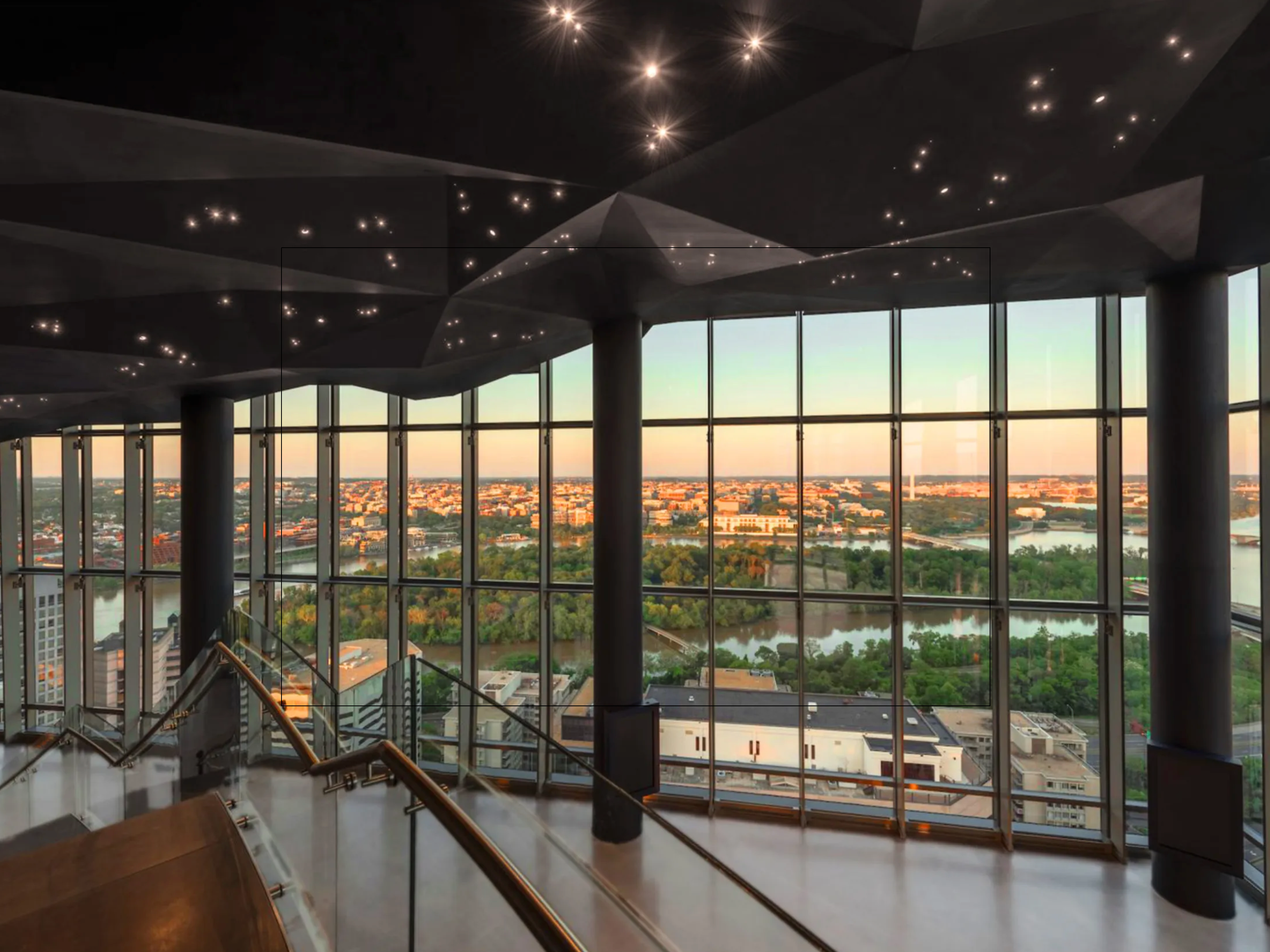
ROSSLYN CENTRAL PLACE: terrace view
2016
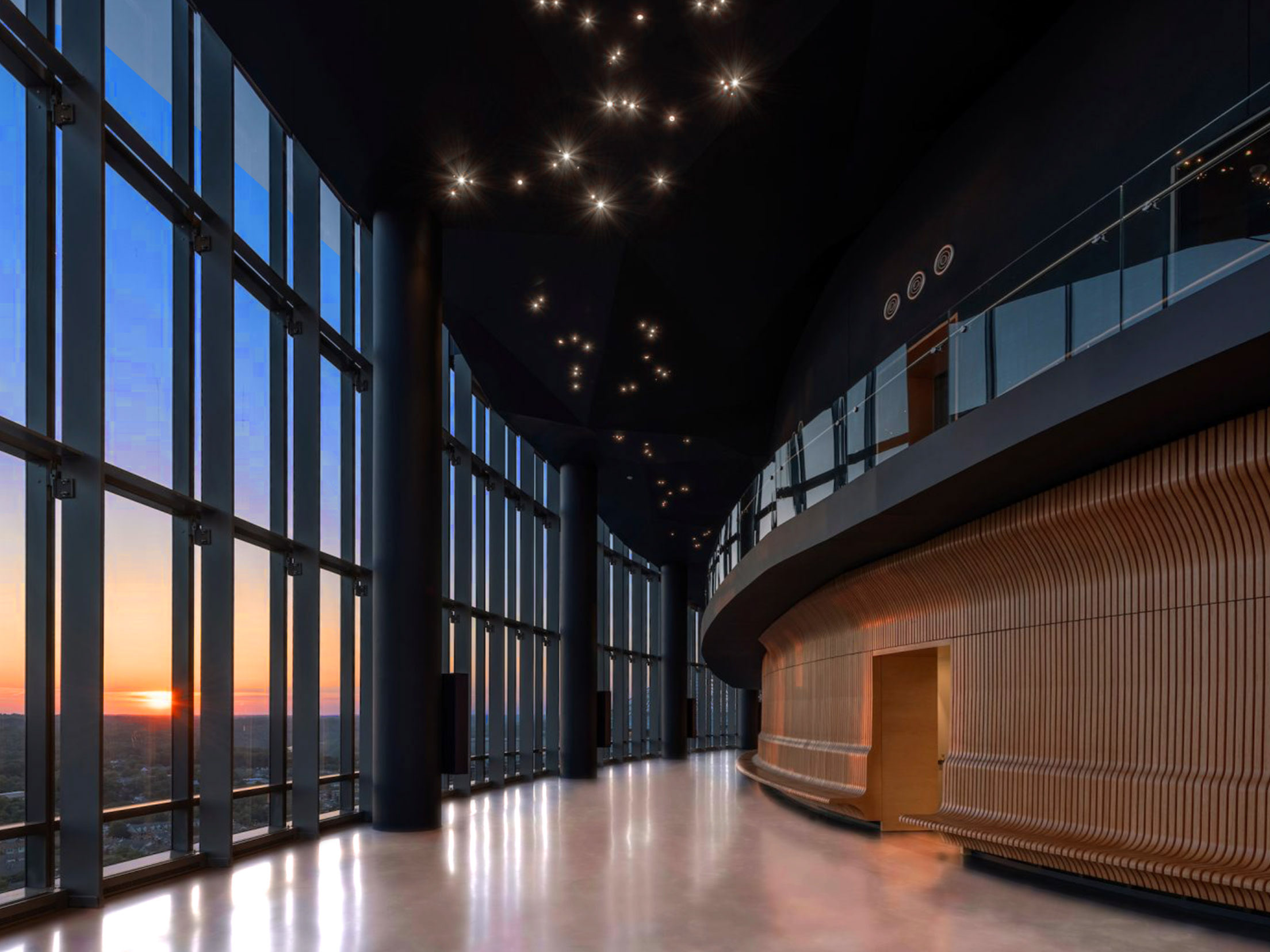
CEENTRAL PLACE TERRACE ROSSLYN: demolished
2017
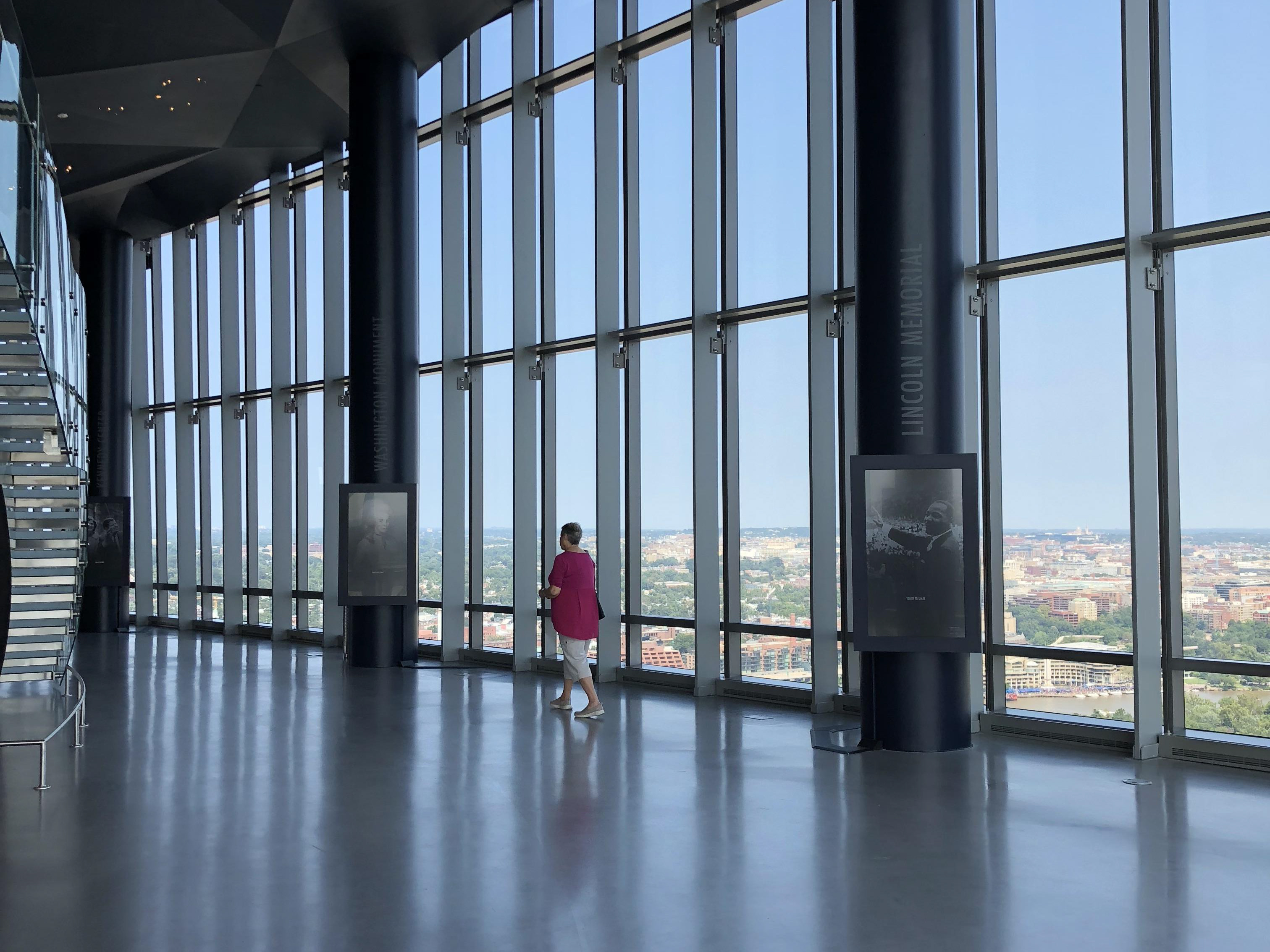
CENTRAL PLACE ROSSLYN:
2025
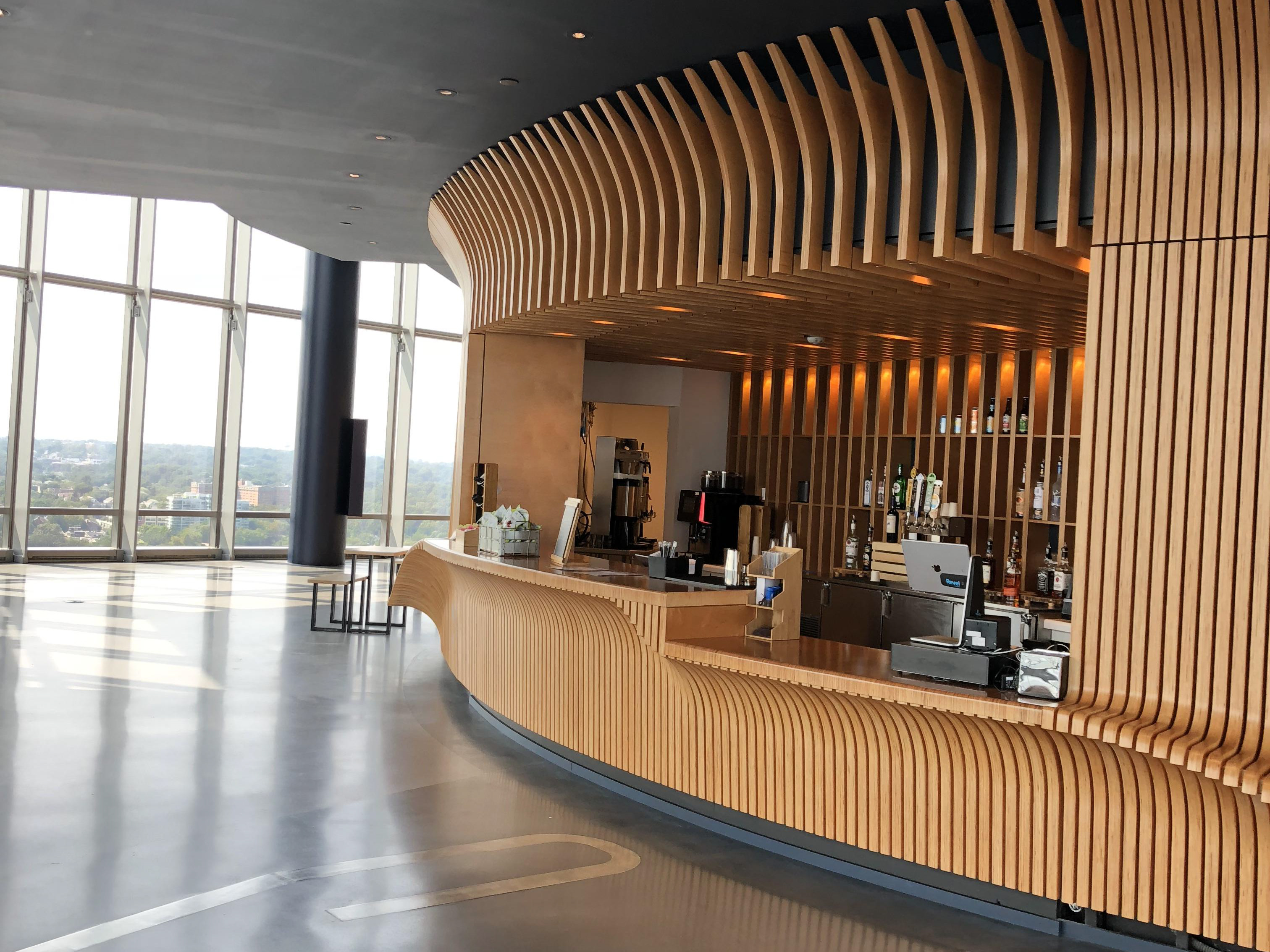
CENTRAL PLACE ROSSLYN: bar
2025
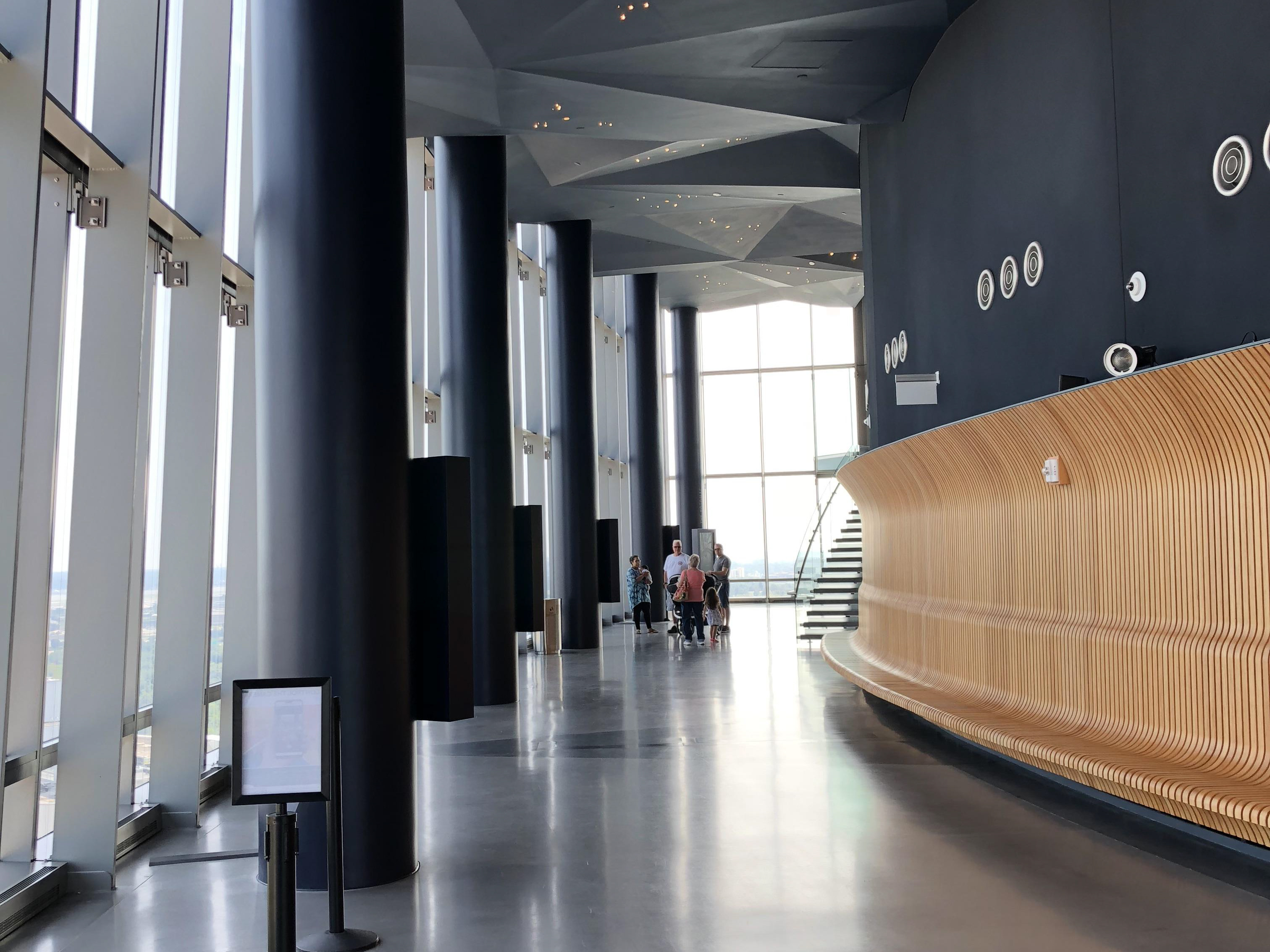
CENTRAL PLACE ROSSLYN
2025